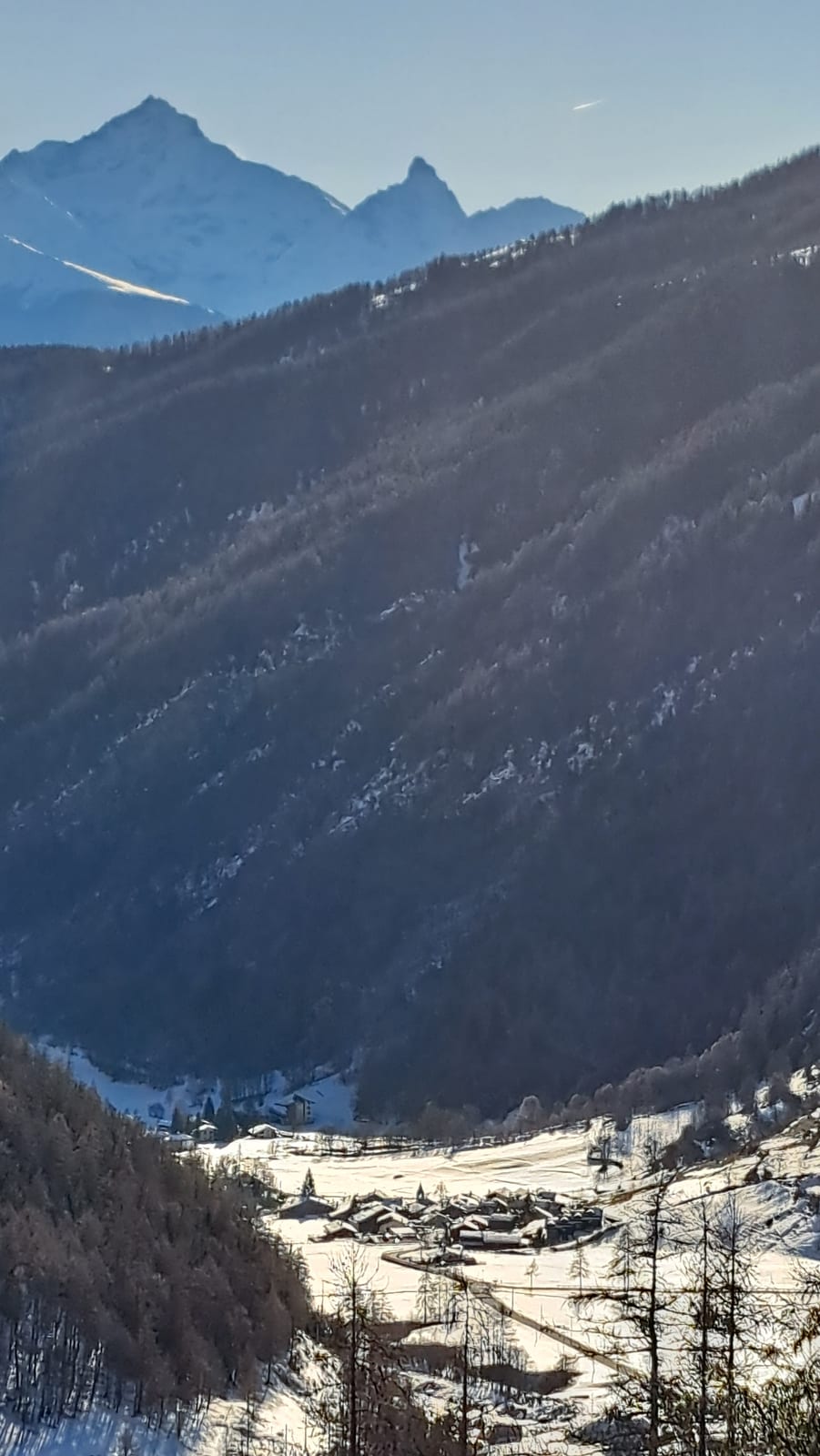
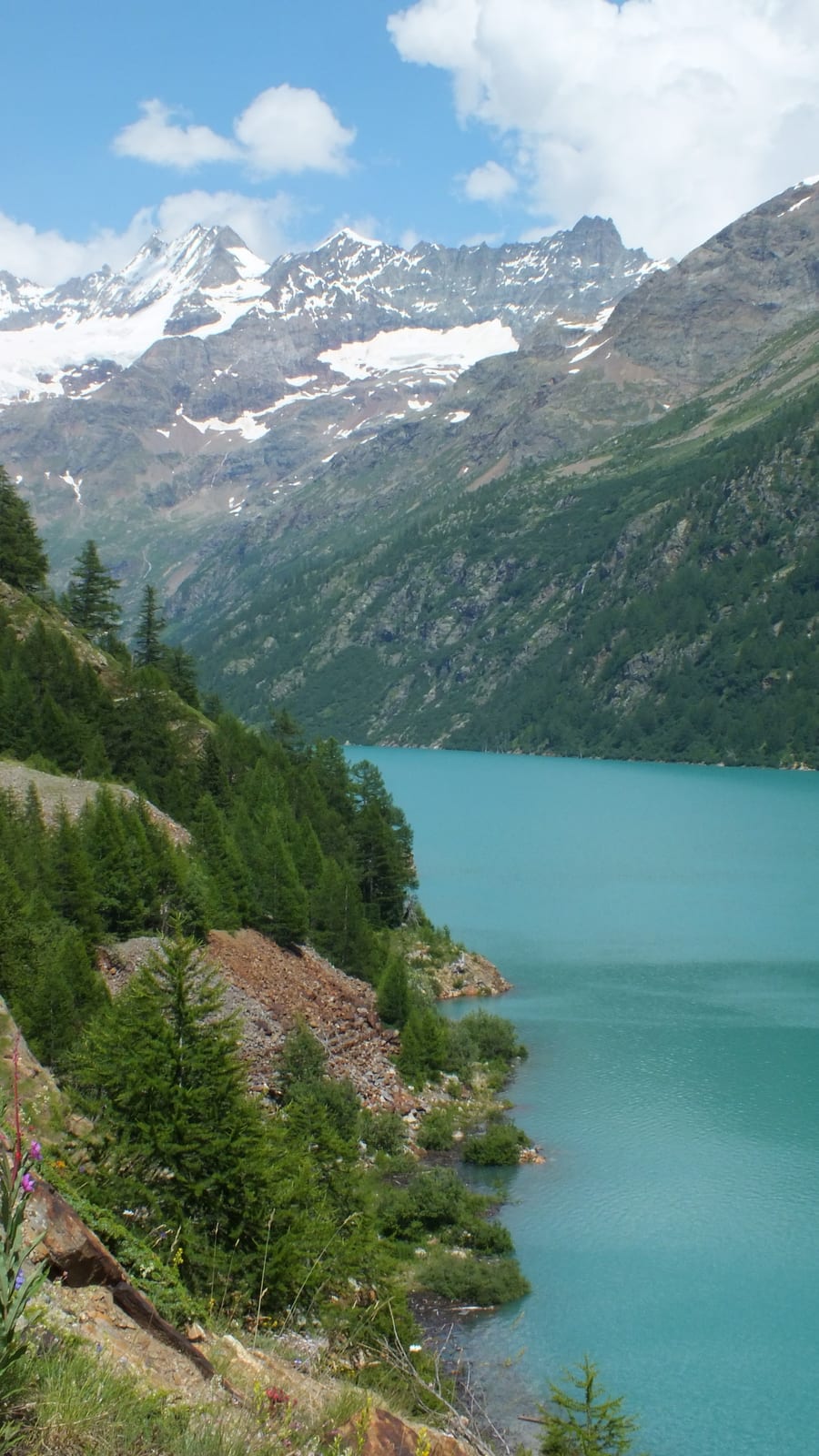
I grew up in the Po Valley in Piedmont, with the Alps forming a crown on the horizon, always visible yet distant. The mountains I know best are naturally those closest to home: beyond Ossola, my valley of the heart, there is Valsesia, occasional visits to the Biella area, Aosta Valley, and on the other side of the Ticino river, the mountains around Como and Valsassina, above Lecco.
In recent years, setting the Dolomites aside somewhat, I have started widening my range toward mountains farther from home but just as beautiful: the Ligurian Alps and their sea view trails, Monviso with its perfect shape, and Valtellina, where the Rhaetian Alps show their harshest face. I have also tried the Apennines, in the Apuan Alps and on Gran Sasso, but I did not find the same emotions the Alps give me, perhaps because of the climate, the atmosphere, that intense green which on the Alps accompanies every step in summer, against the sparser, drier vegetation I often find in the Apennines.
In the end, what I love about mountains is the grandeur of the landscapes, the solitude, the effort, the pleasure of being immersed in nature. One valley may appeal to me more than another, one peak may move me more than another, but all mountain places are connected by an invisible thread in which I always rediscover the same emotions.
Map of the places
- 1 Mountains of the Como area
- 2 Ligurian Alps (Finalese)
- 3 Val Masino
- 4 Gran Sasso National Park
- 5 Valsassina
- 6 Biellese Alps
- 7 Gran Paradiso, Cogne
- 8 Valsesia
- 9 Aosta Valley, Champorcher Valley
- 10 Lecco Prealps
- 11 Gressoney Valley
- 12 Matterhorn Valley
- 13 Valpelline
1 Mountains of the Como area ↑
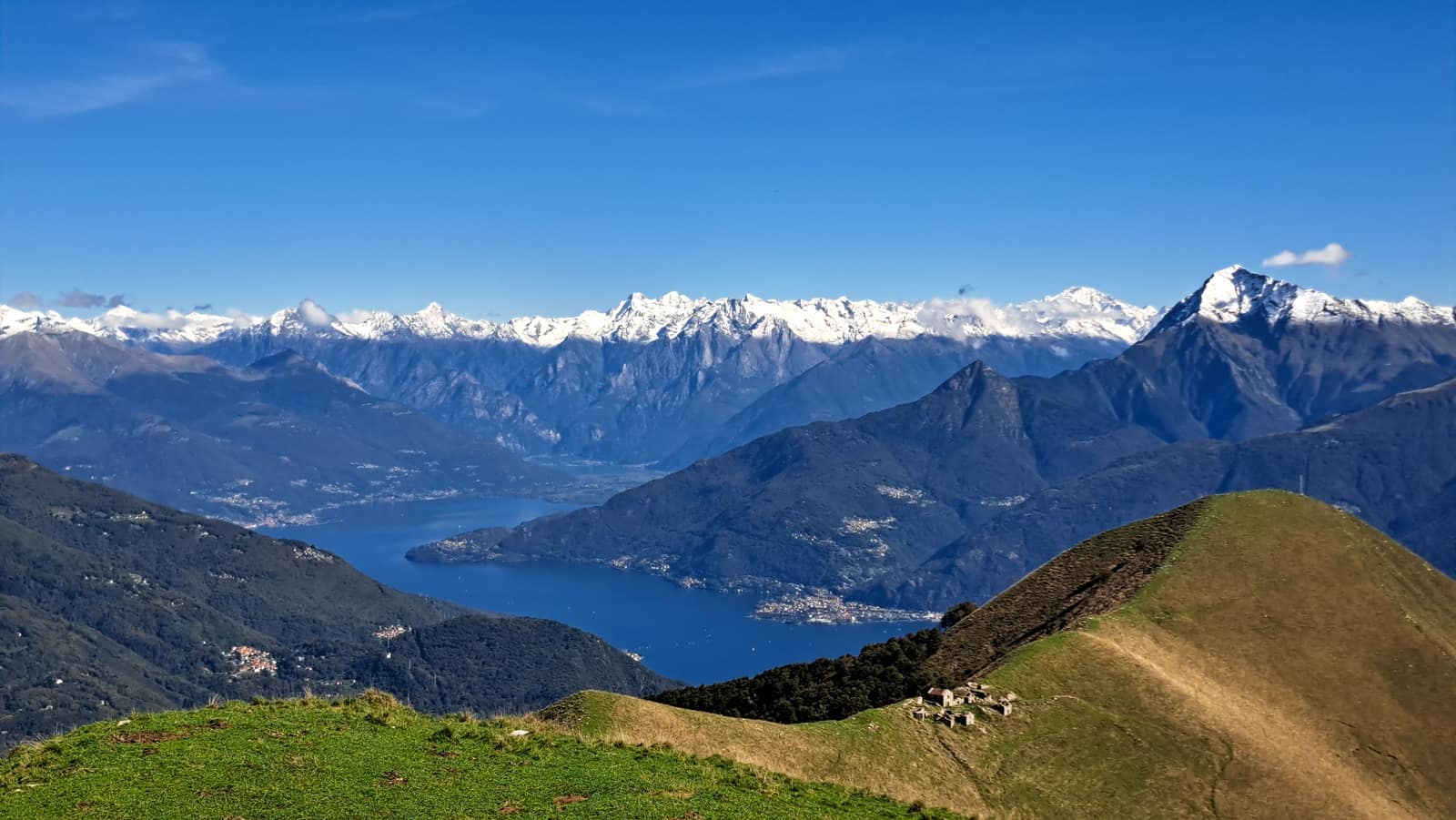
To reach the mountains around Como, you have to drive through the towns that follow one another along the northern branch of Lake Como, before eventually turning off onto the roads that climb the steep mountains on the eastern shore of the lake. Coming from the glamorous lakeside towns, full of villas and luxury hotels, finding such a rustic mountain in front of you is, at first, a little surprising. We are right on the border with Switzerland, and many routes let you walk with Lake Lugano on one side and Lake Como on the other. These are fairly low mountains, often under two thousand meters, but many trails run along broad ridgelines that, despite the modest altitude, offer stunning three-hundred-sixty-degree views. Unfortunately, during the summer season, these mountains become almost inaccessible because of the lakeside traffic. In the shoulder seasons, though, March, April, or October, November, they are perfect: when the high mountains are still suspended between winter and summer, these mid-altitude walks are deeply rewarding.
2 Ligurian Alps (Finalese) ↑
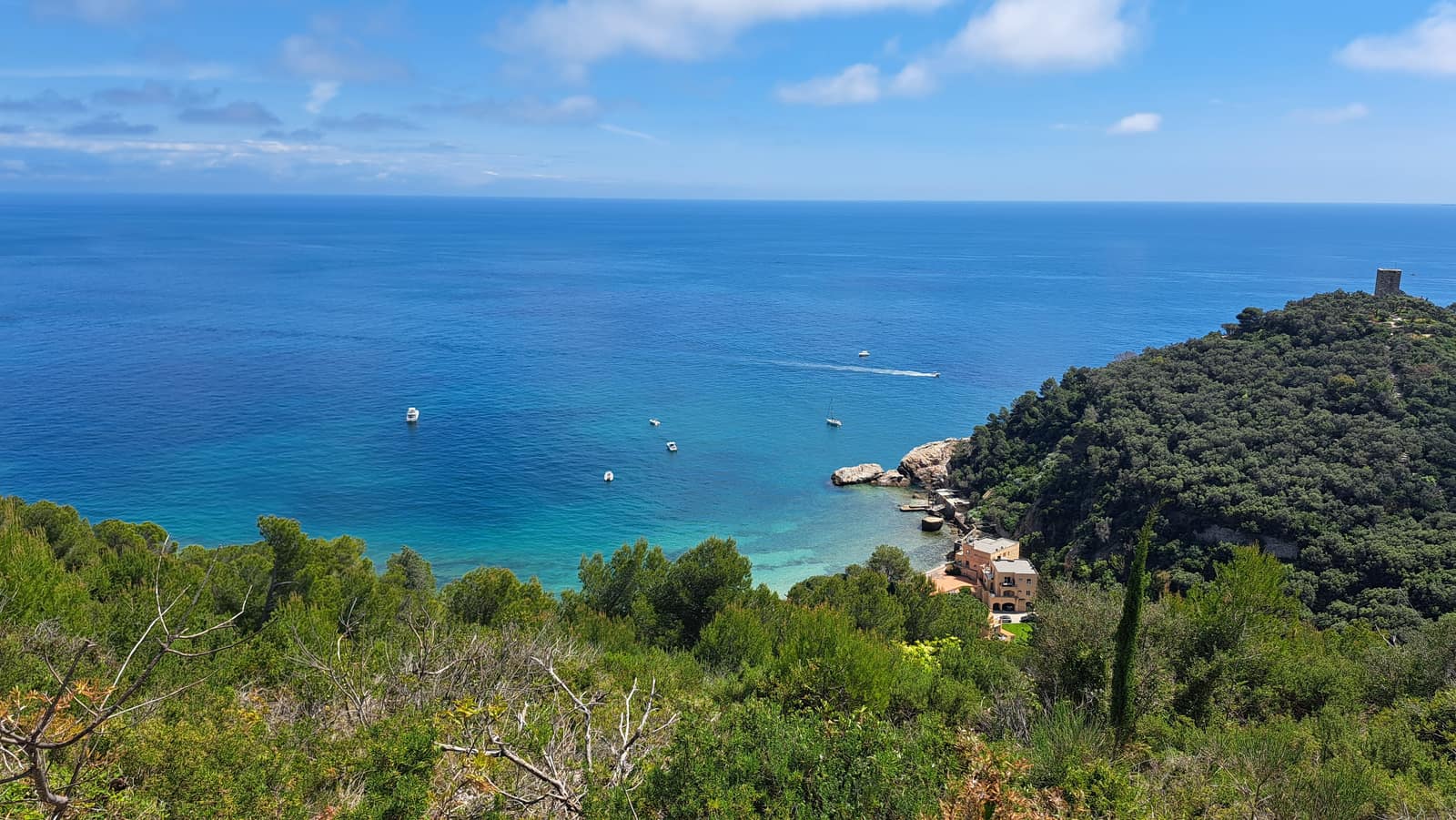
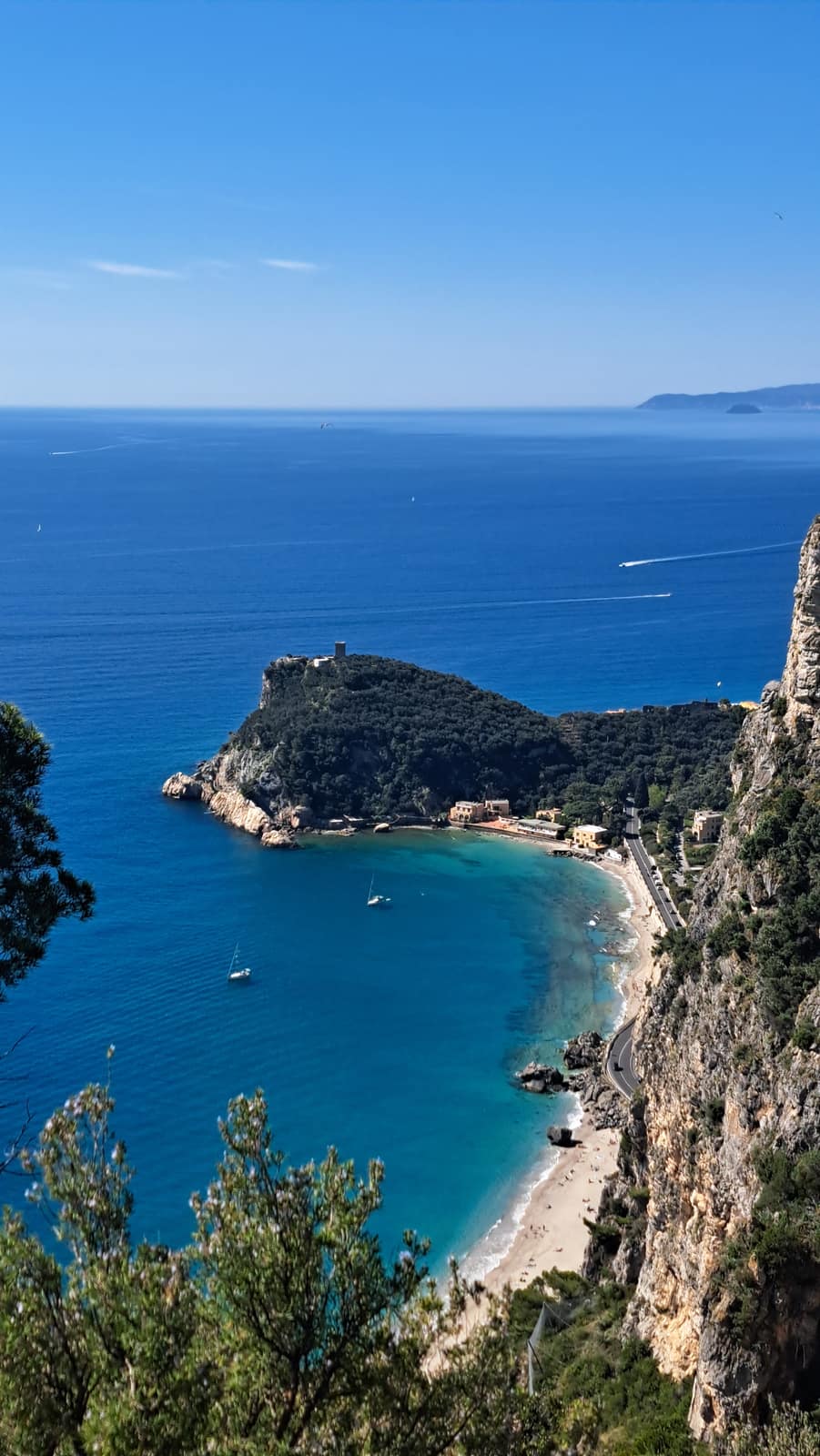
I don't much love coming to Liguria for the sea: the coast is too built up, parking is difficult, and the traffic is always chaotic. Its mountains, though, offer something magical. They are often easily accessible and let you walk with the sea in view quite frequently: the pairing of sea and mountain is something priceless. I come here often, just after the winter season, when the first fine days make you long for summer. The Finalese, in particular, has a truly surprising mountaineering vocation, evident in the high concentration of technical mountain gear shops.
3 Val Masino ↑
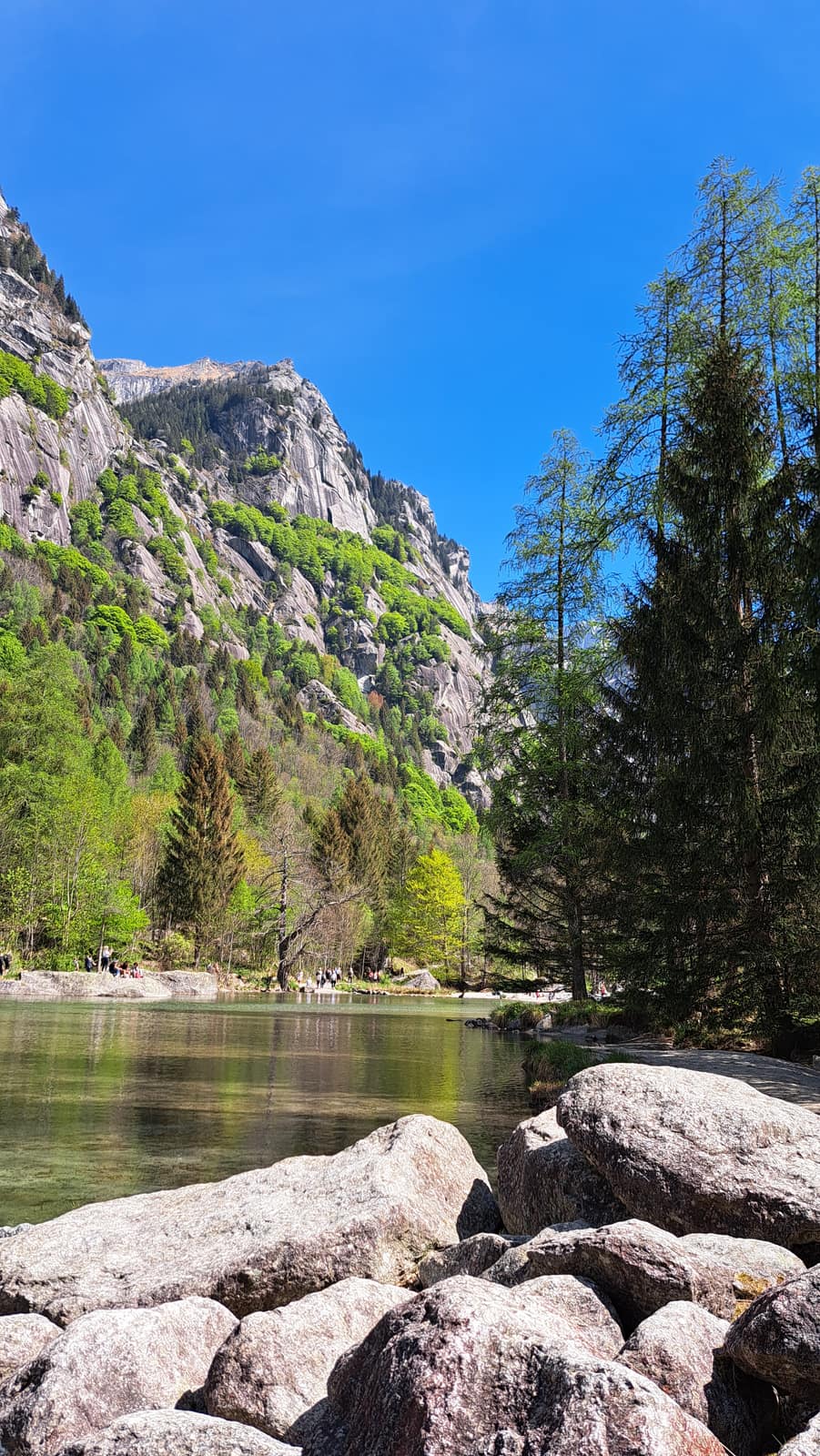
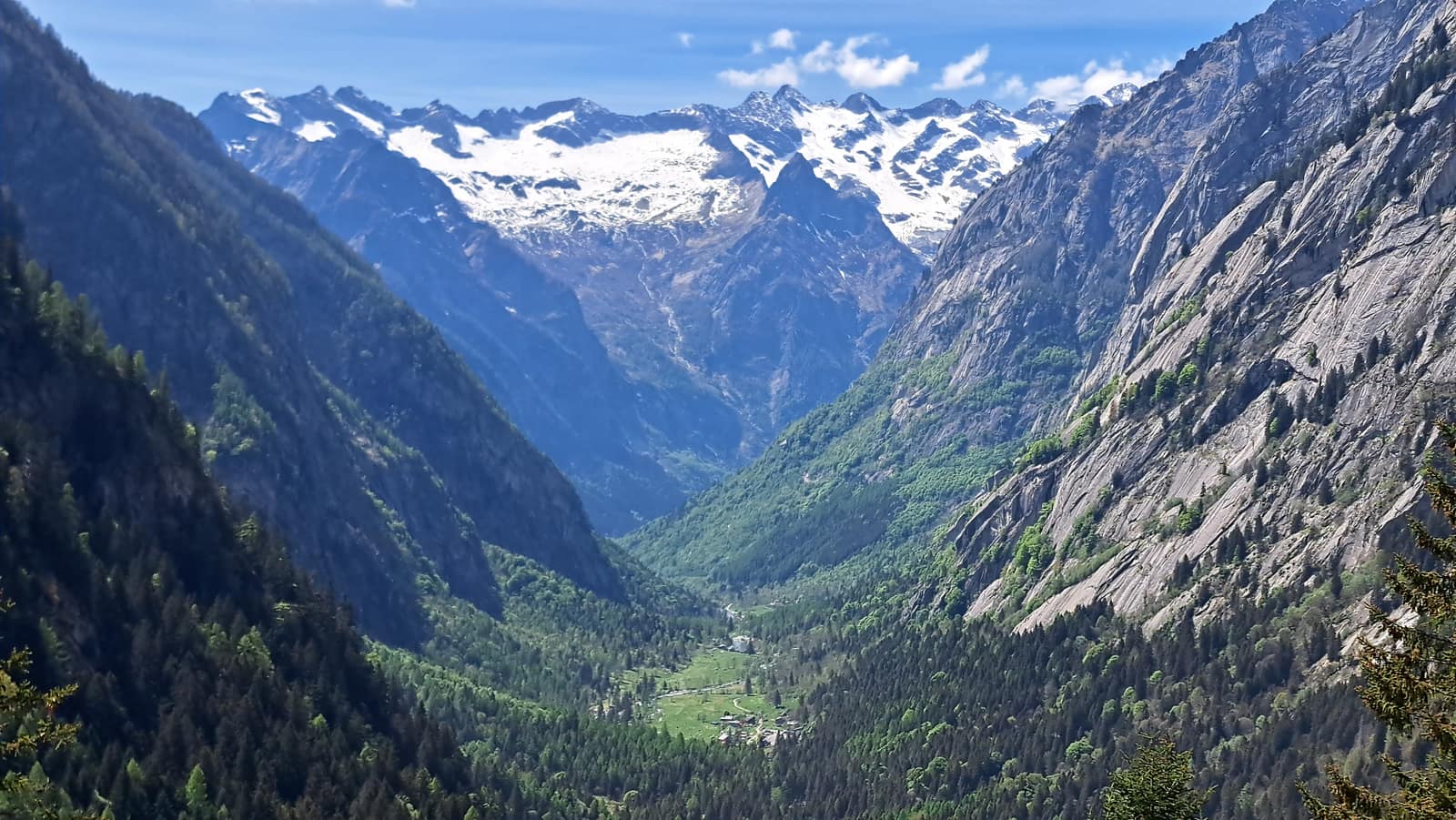
This is a place I overlooked for many years. Too far for a day trip, too close to justify staying several days. Which is a shame, because it is a valley with so much to offer: stunning views, like the one of Monte Disgrazia and the surrounding peaks, and then Val di Mello, sometimes called the Italian Yosemite. Or perhaps it would be more accurate to say that Yosemite is the American Val di Mello. It is an easily accessible valley, and unfortunately that means a fair amount of crowding. Still, it is a truly incredible place, one that in many moments genuinely recalls Yosemite. The valley floor trail is quite busy: the meadows are wide and beautiful, and plenty of people come up simply for some cool air and a picnic beneath towering mountains. Further up the valley, a steep climb leads toward Alpe Pioda, and suddenly the crowds disappear. A few hikers give it a try, but most turn back almost immediately. The climb is short but genuinely steep, and it leads to another incredible plateau, beneath imposing granite walls. Just before reaching it, a viewpoint lets you take in the whole valley from above. I have never been there in autumn: it must be quite a sight.
4 Gran Sasso National Park ↑
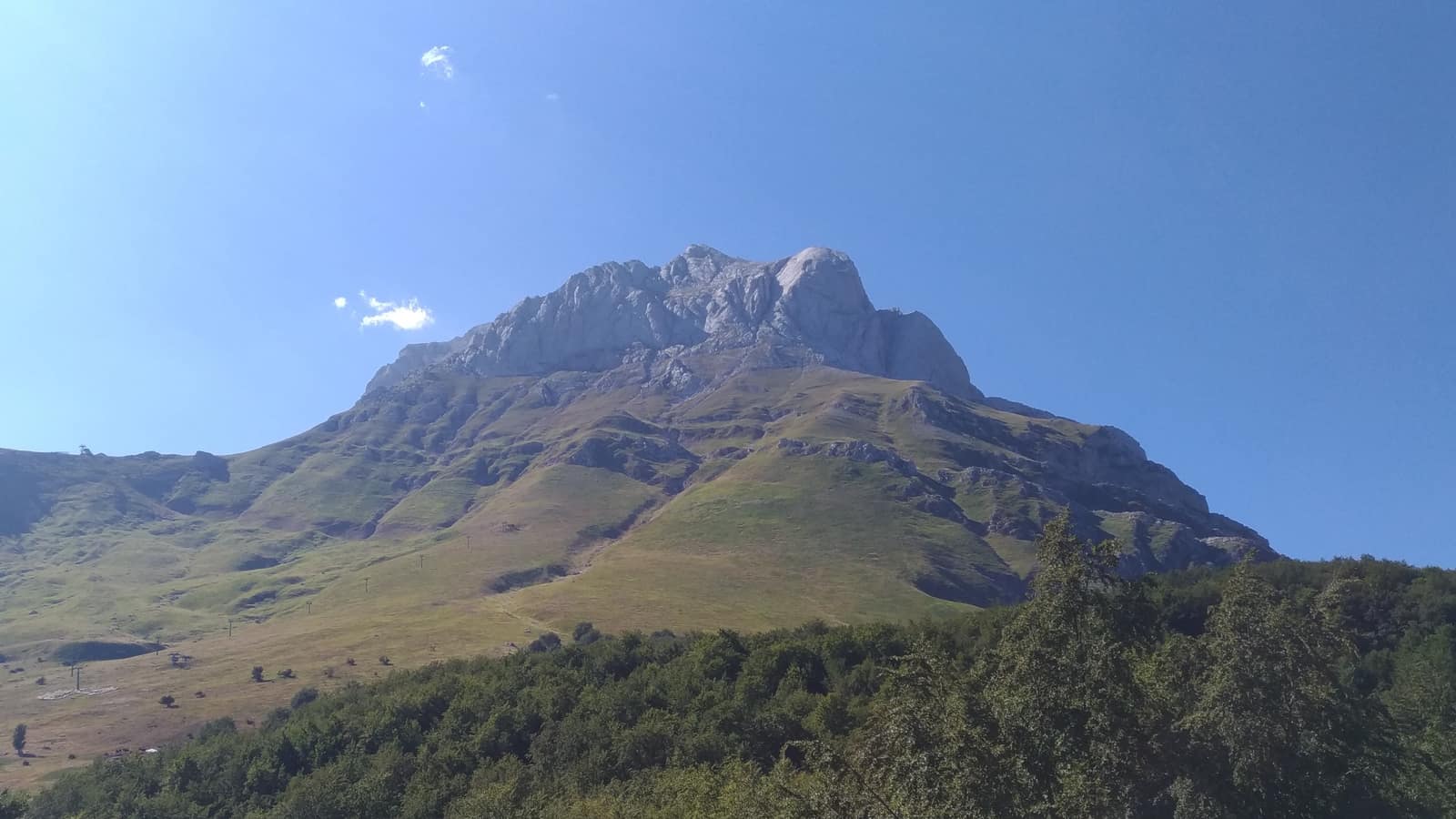
The only time I visited the Gran Sasso was in mid August, and the first impression was decidedly negative. I was met with a crowdedness unusual for a mountain destination: day trippers, people milling about, loud music. It was scorching hot, it hadn't rained for weeks, and everything was dry. The altitude, considerable in its own right, had led me to expect Alpine landscapes and architecture, but I didn't find the villages of the Gran Sasso aesthetically appealing, and they didn't convey any real sense of mountain atmosphere. The way people used the trails was also strange: heading out early in the morning, you'd cross paths with fully equipped climbers, but during the day the regular trails were shared with day trippers in sandals, with no mountain experience at all, everything improvised. And that's a shame, because the Gran Sasso, with the Corno Grande, is truly beautiful to look at. Everything around it left me with a certain bitterness, and the other spots in the park, such as Campo Imperatore, didn't particularly impress me either. From a mountain lover's perspective, I came away disappointed. Still, I'm glad I went, and I'd suggest visiting at least once in a lifetime, but personally, I wouldn't go back.
5 Valsassina ↑
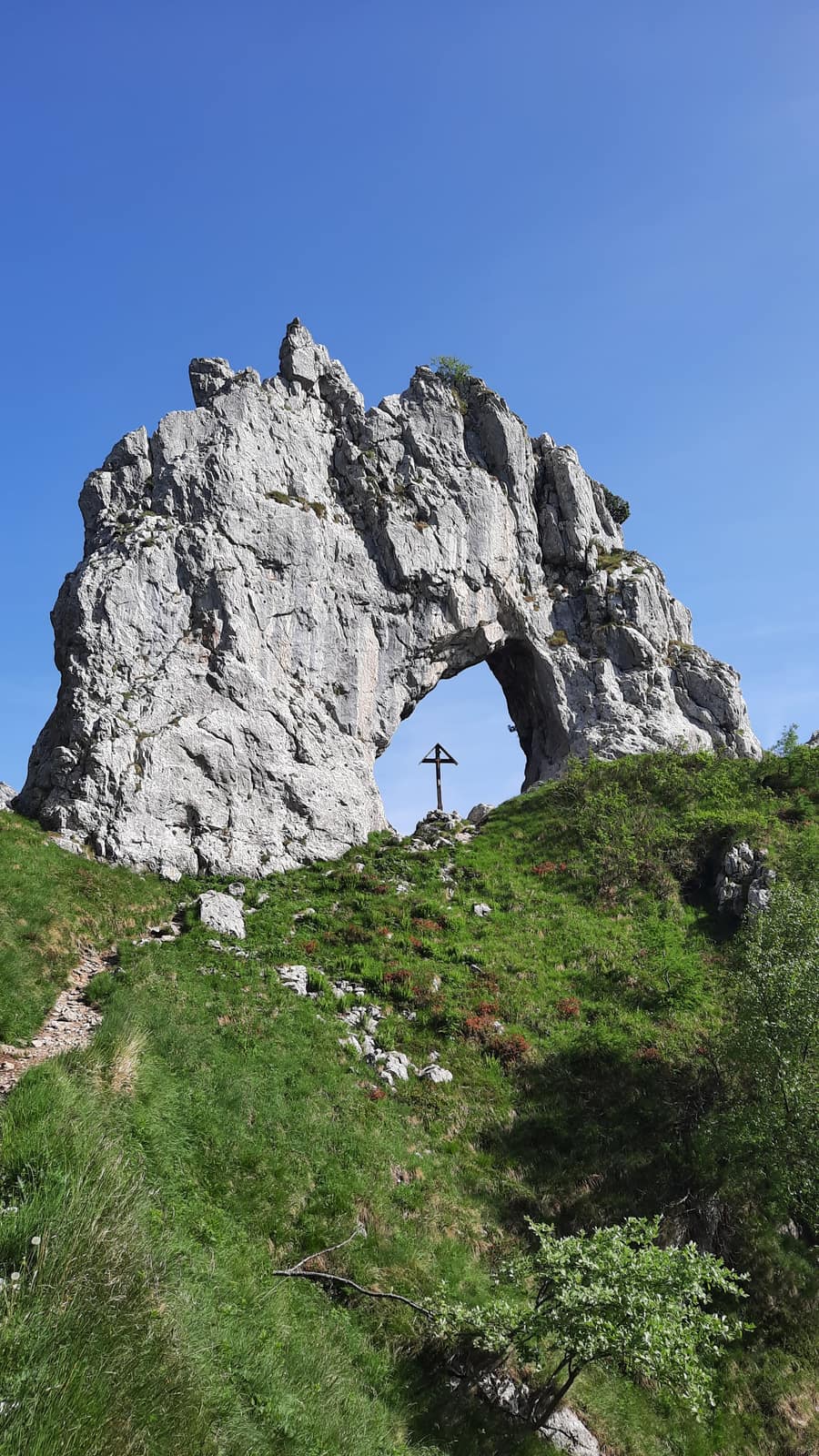
Valsassina is an unsuspected place. Coming from the south, you reach it through Lecco: you enter a long tunnel coming from the plain, and suddenly you emerge into an entirely different world. It's a valley well known to people from Milan, but almost unheard of once you move beyond Milan's immediate surroundings. It's made up of legendary mountains, like Legnone and the Grigne, along with the Resegone, which, although not strictly part of Valsassina, sits right nearby. The Grigne, in particular, have a beauty that closely recalls the Dolomites: spires, steep rock faces. The mountains aren't especially high, but the difficulty of the trails is anything but negligible, and they reward you generously, often with lake views, a real bonus. Unfortunately, like other mountains around Lake Como, they suffer from a traffic problem, especially on sunny days, when the access roads have to be shared with lakeside day trippers.
6 Biellese Alps ↑
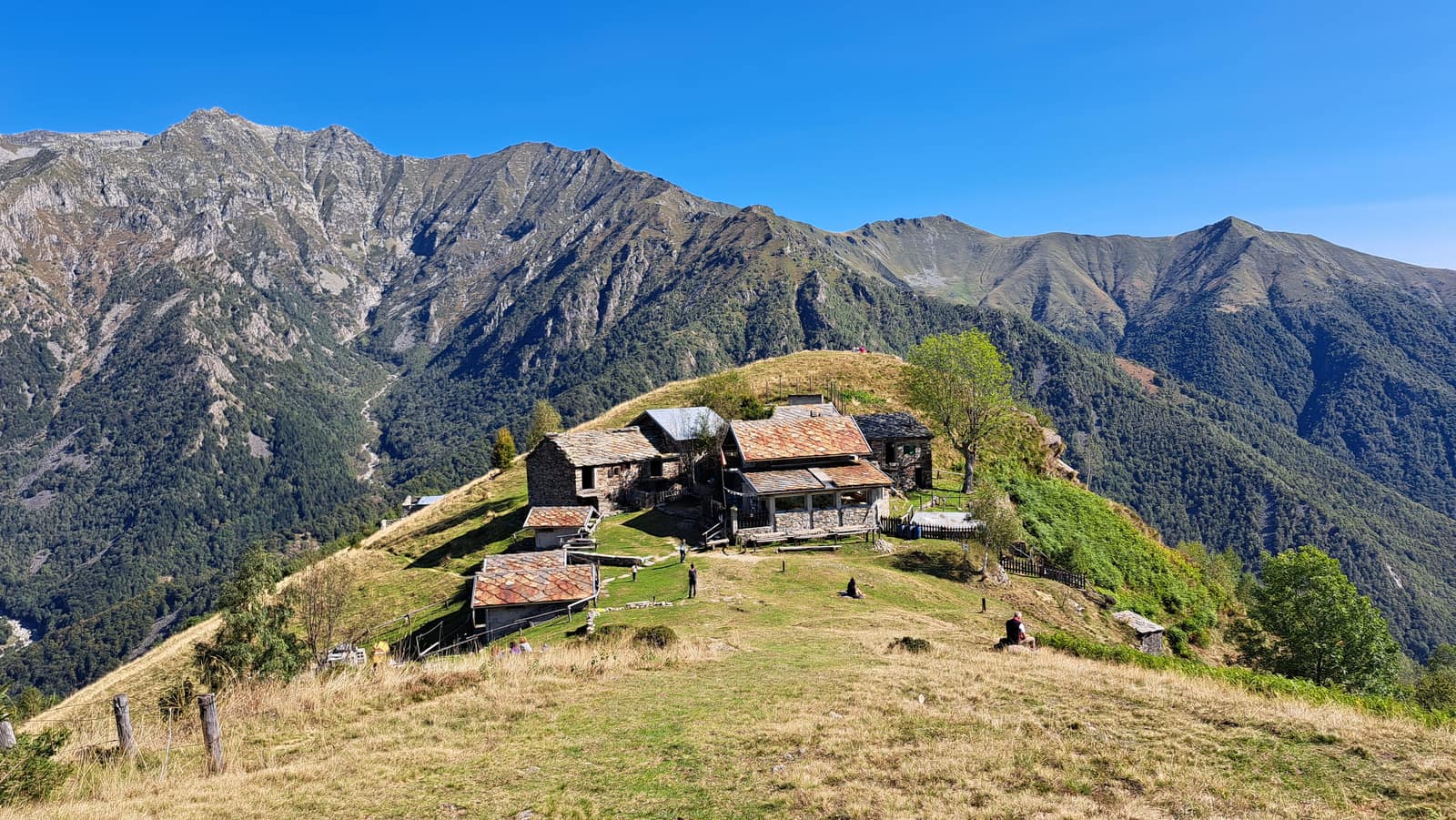
The mountains of the Biellese area are relatively unknown, squeezed between the Aosta Valley and Valsesia. The most famous spot in the area is the Oasi Zegna, a small paradise created by a philanthropist in the mid-mountains. There's even a ski resort, Bielmonte, not particularly small but little known outside the local area. There's the famous Sanctuary of Oropa, below Monte Camino, which in that area separates Piedmont from the Aosta Valley. And then there's Valle Cervo and many other spots. These are mountains worth discovering, with a bit of goodwill, since they do nothing on their own to draw visitors to them. But sometimes a little goodwill can reward you with great satisfaction.
7 Gran Paradiso, Cogne ↑
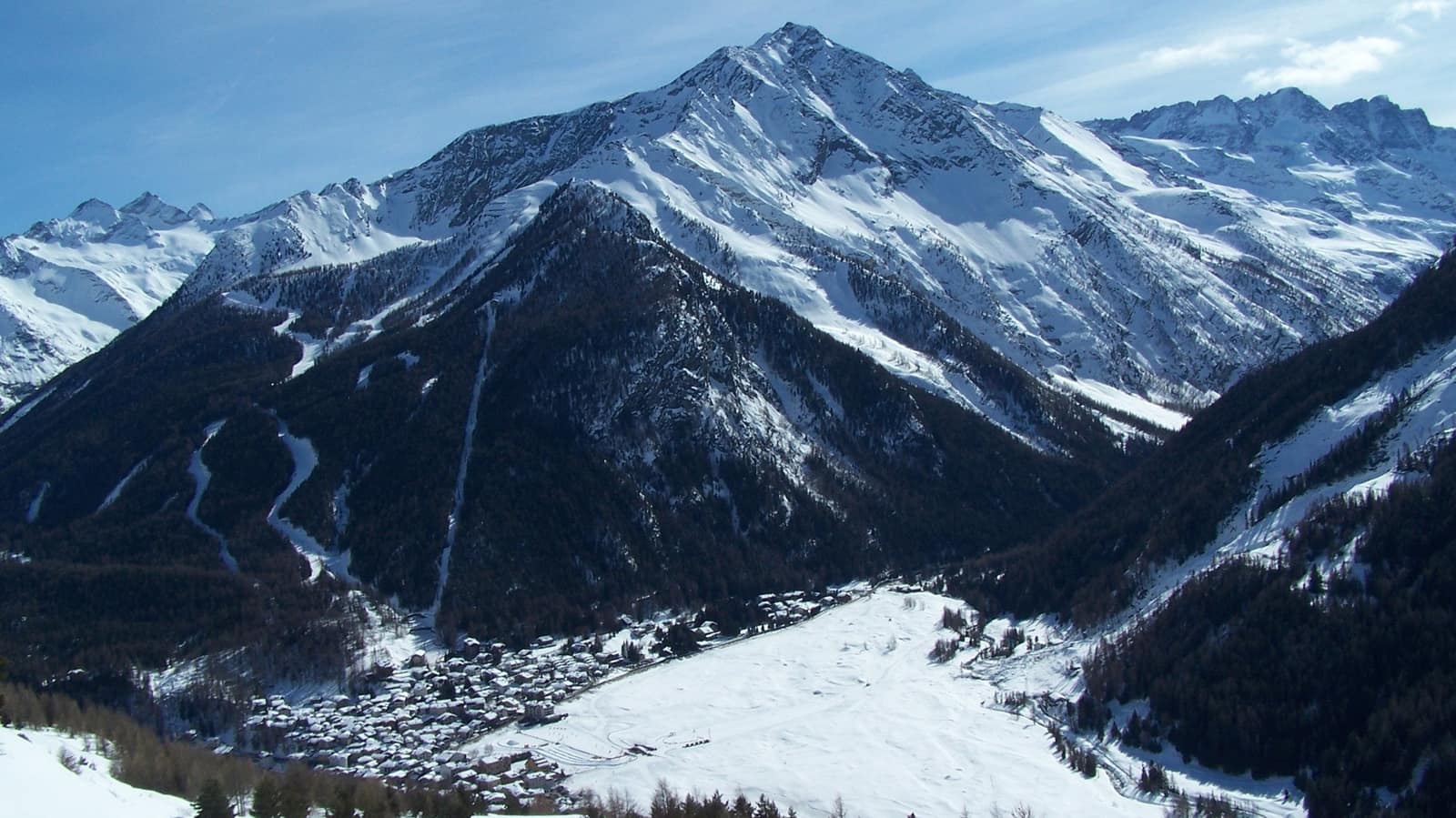
Cogne is a jewel at the heart of the Aosta Valley. Unfortunately, it has become more widely known for a notorious criminal case, which has somewhat overshadowed its image. It's an interesting microcosm, a tourist destination of a certain standing, yet one that has managed to preserve an authenticity all its own: traditional dishes, distinctive architecture, and a small economy that seems to go beyond pure tourism. It's the starting point for summer hikes on the Gran Paradiso massif, for winter cross country skiing, and for ice climbing on frozen waterfalls. There has been talk for years of extending the downhill ski area by linking it with the Pila resort. I still hope it won't happen: it would spoil the beauty of the place.
8 Valsesia ↑
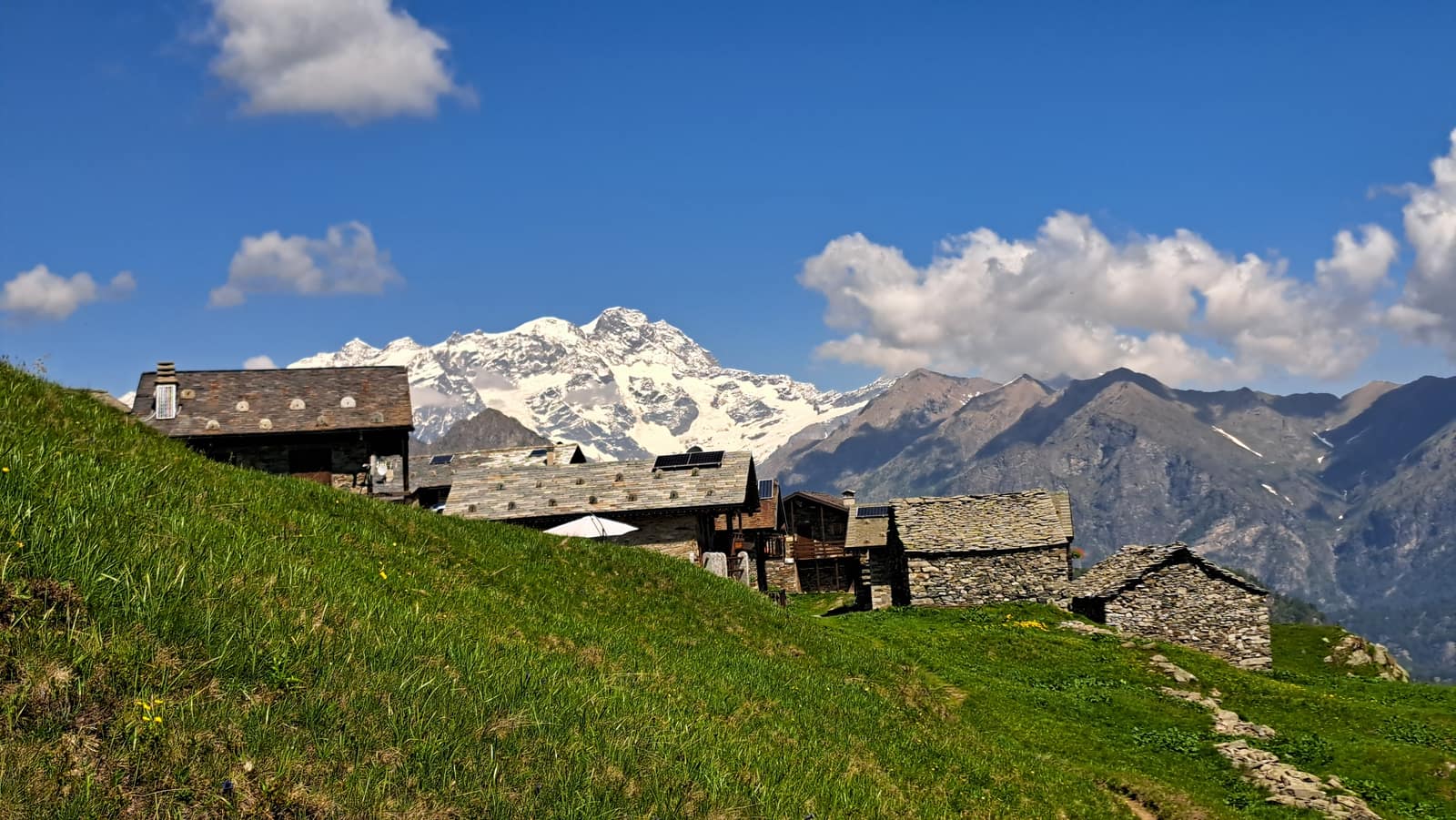
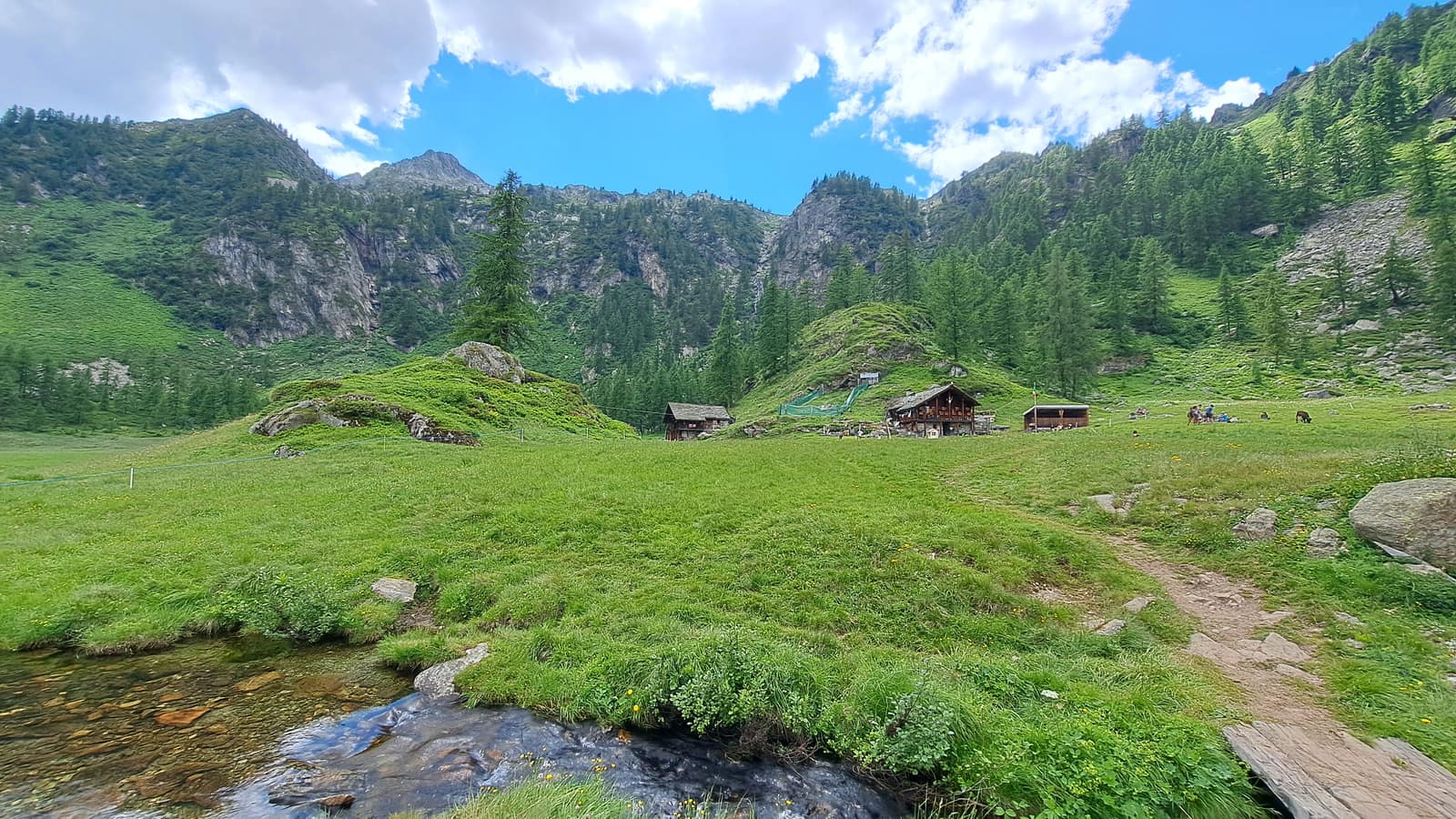
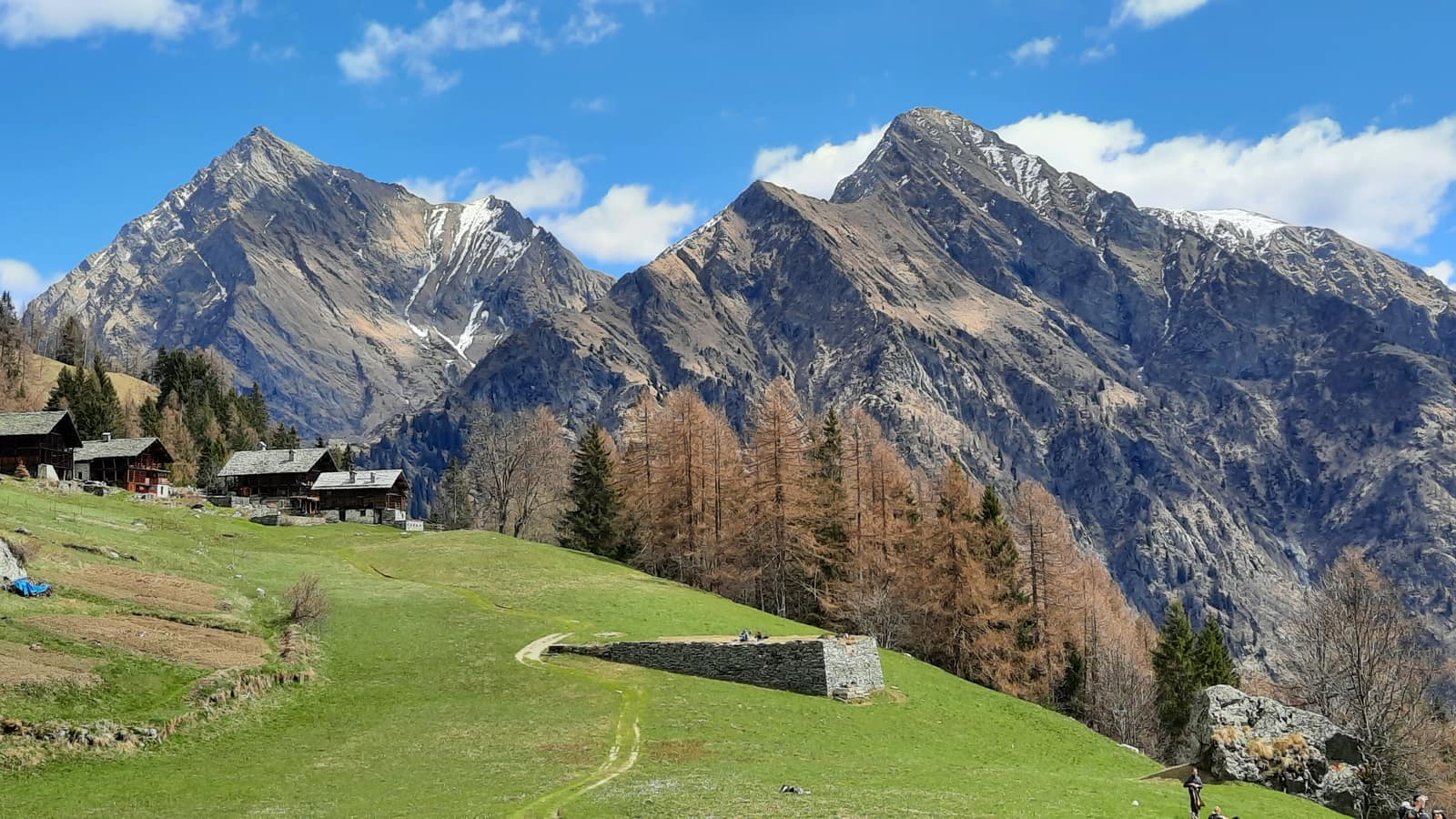
Valsesia is a very long valley, beginning just north of Novara where the plain turns to hill country, and as it climbs north the mountains grow steadily higher and more severe. From Varallo upward the real mountains begin, and from there a world of side valleys opens up, one after another, each with its own character, each waiting to be discovered. At the head of the valley lies Alagna, a Walser village of rare beauty, which has preserved a splendid architecture and an authenticity all its own, despite the connection to the Monterosa Ski resort having noticeably raised hospitality standards and prices. The Val Vogna, the Valle d'Otro with its splendid Walser hamlets, the Bors valley stretching toward his majesty Monte Rosa, the high-altitude refuges leading to the Capanna Regina Margherita, the highest refuge in Europe, on the Punta Gnifetti, the Alpe di Mera, the Meggiana basin with its Monte Bo. And let's not forget the Val Sermenza, with Carcoforo looking down on it from above, or the Val Mastallone, with its lovely Lago di Baranca. One could spend an entire month in Valsesia and find a different valley, a different alp, a different trail every day.
9 Aosta Valley, Champorcher Valley ↑
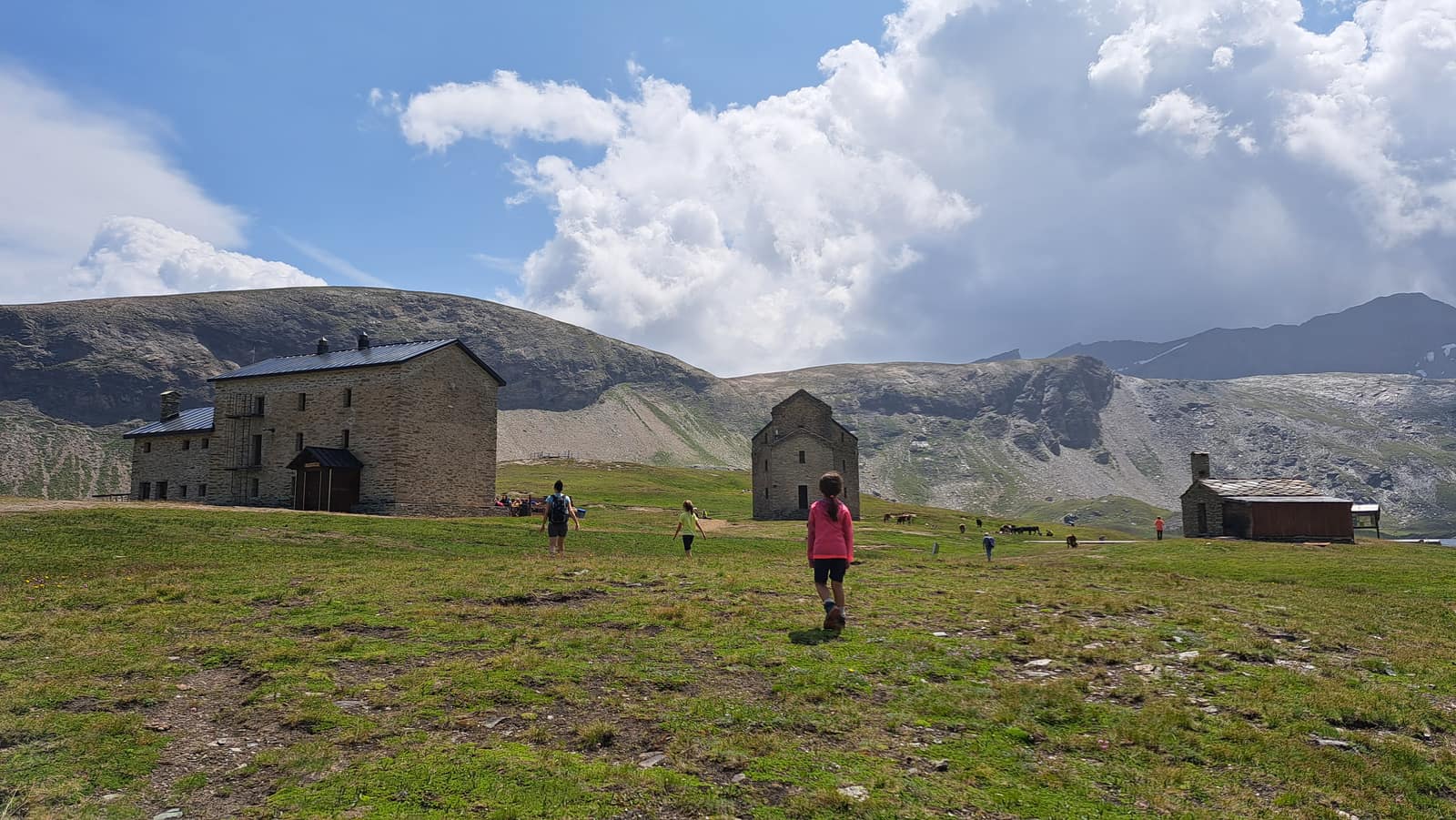
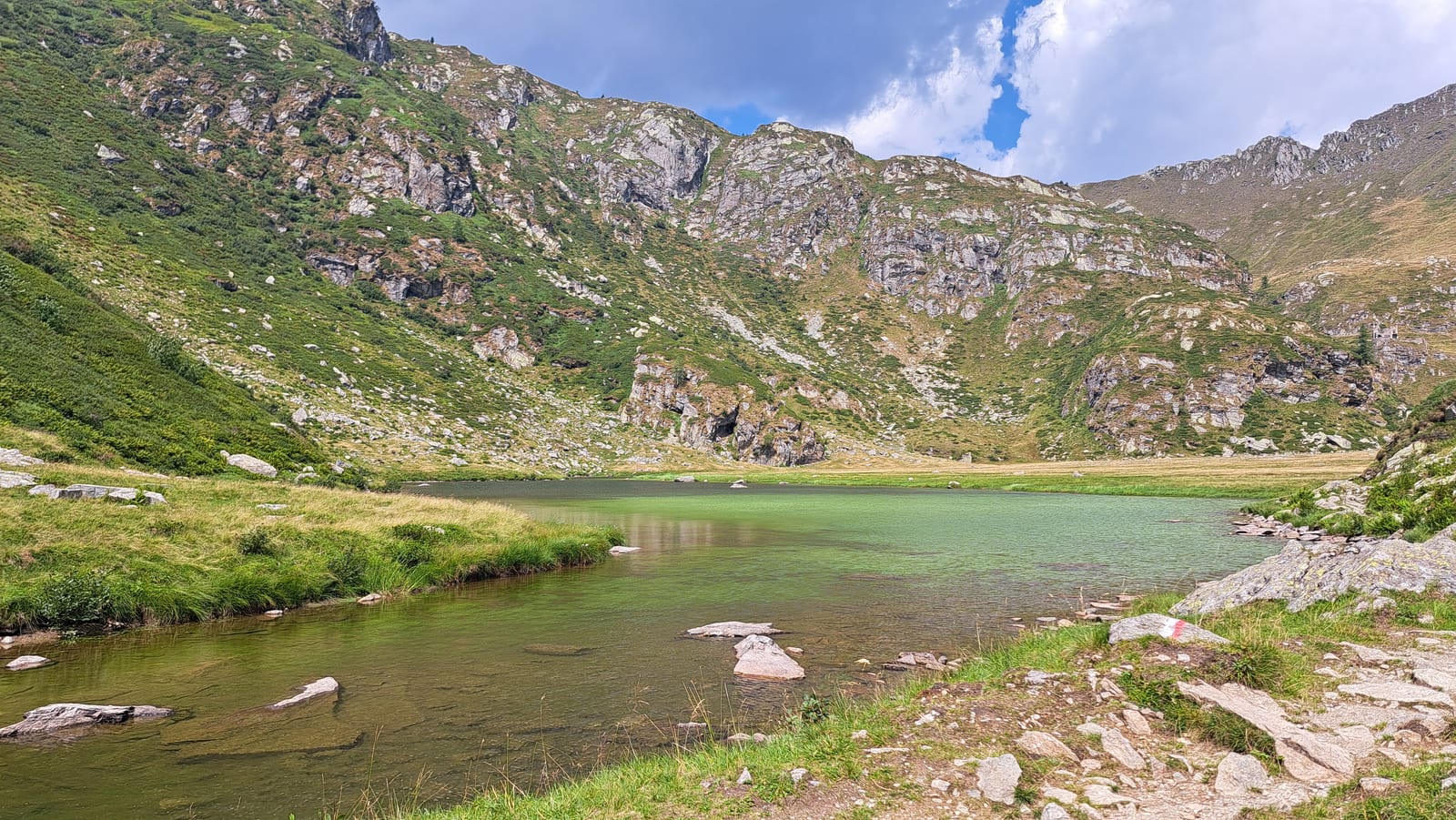
The Champorcher valley is one of the first valleys you come across coming from the south into the Aosta Valley, yet it remains somewhat in the shadow of the more famous valleys at the foot of the Matterhorn and Monte Rosa. Perhaps that's precisely what has allowed it to preserve a uniqueness of its own, even though it has never quite won a place in my heart. There are numerous opportunities for hiking, quite varied in character. The refuges are interesting too, as is everything found within the Mont Avic Park more generally: the Barbustel refuge with its basin dotted with small lakes, the Miserin refuge with its sanctuary and lake, and the Dondena refuge, a former Savoy hunting lodge steeped in history.
10 Lecco Prealps ↑
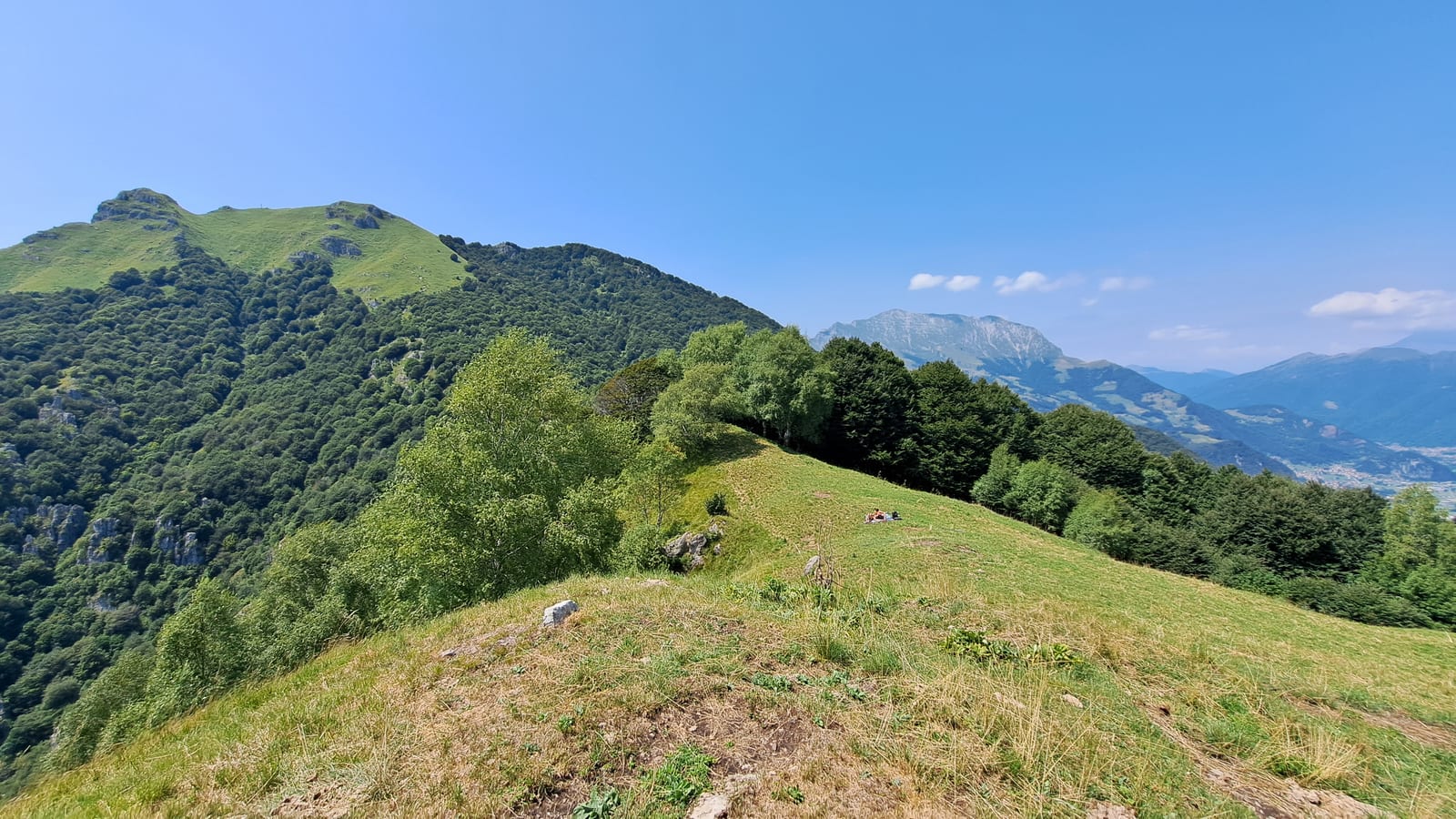
The Lecco Prealps are, in a sense, inseparable from Valsassina, of which they form the backdrop. The symbolic peak of these mountains is the Resegone, made famous by Manzoni's writing. These are not high mountains, but being right at the edge of the plain, they are extremely panoramic. Monte Due Mani, reachable with just five hundred meters of elevation gain from Forcella di Olino, offers a view spanning the Resegone, the Grigne, the so called zucchi, as the peaks are known in this area, the Brianza region, and the plain below. Because of their modest altitude, these mountains remain enjoyable well into late autumn, when the colors turn warmer and the traffic from Lecco below becomes less suffocating.
11 Gressoney Valley ↑
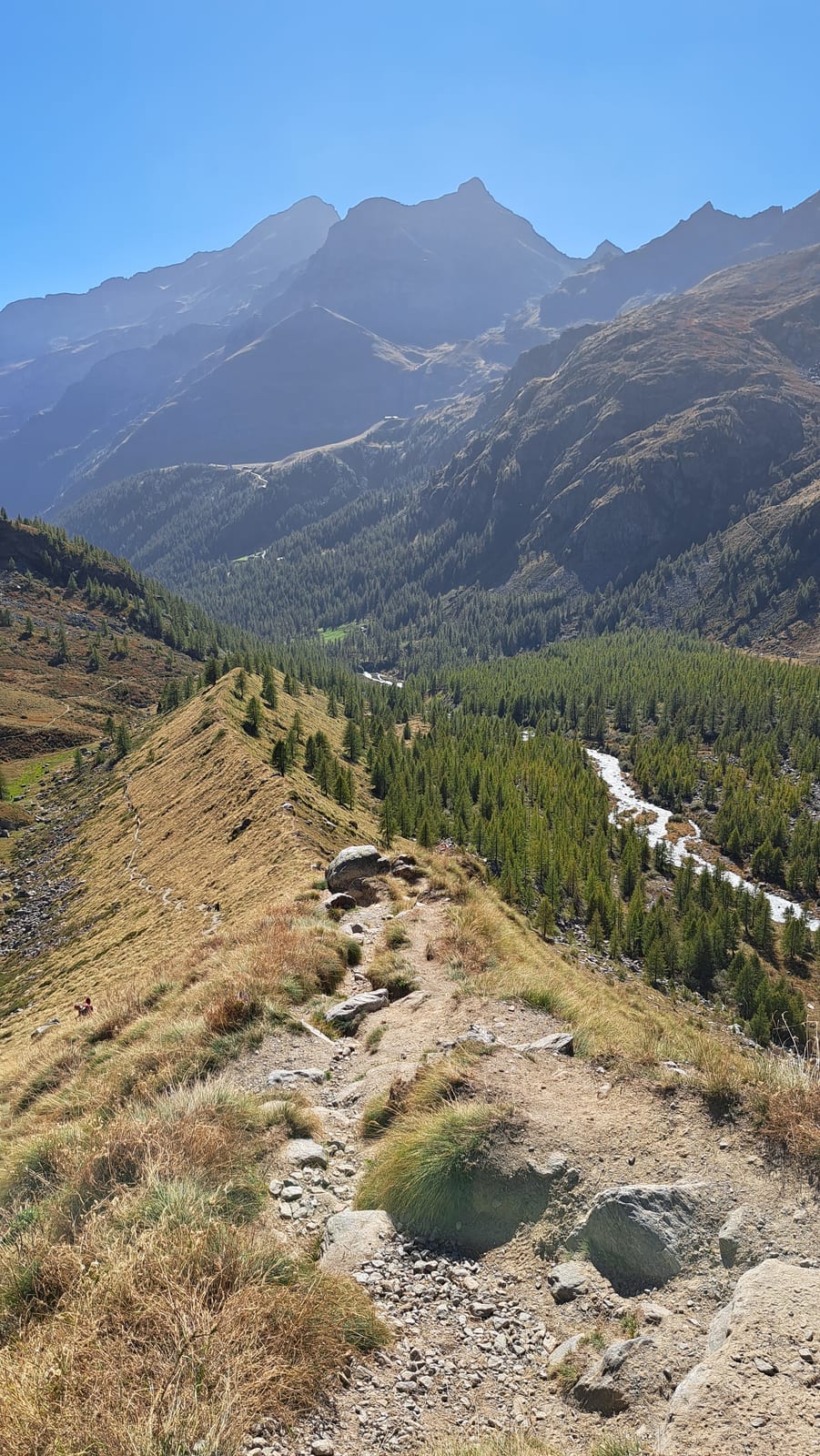
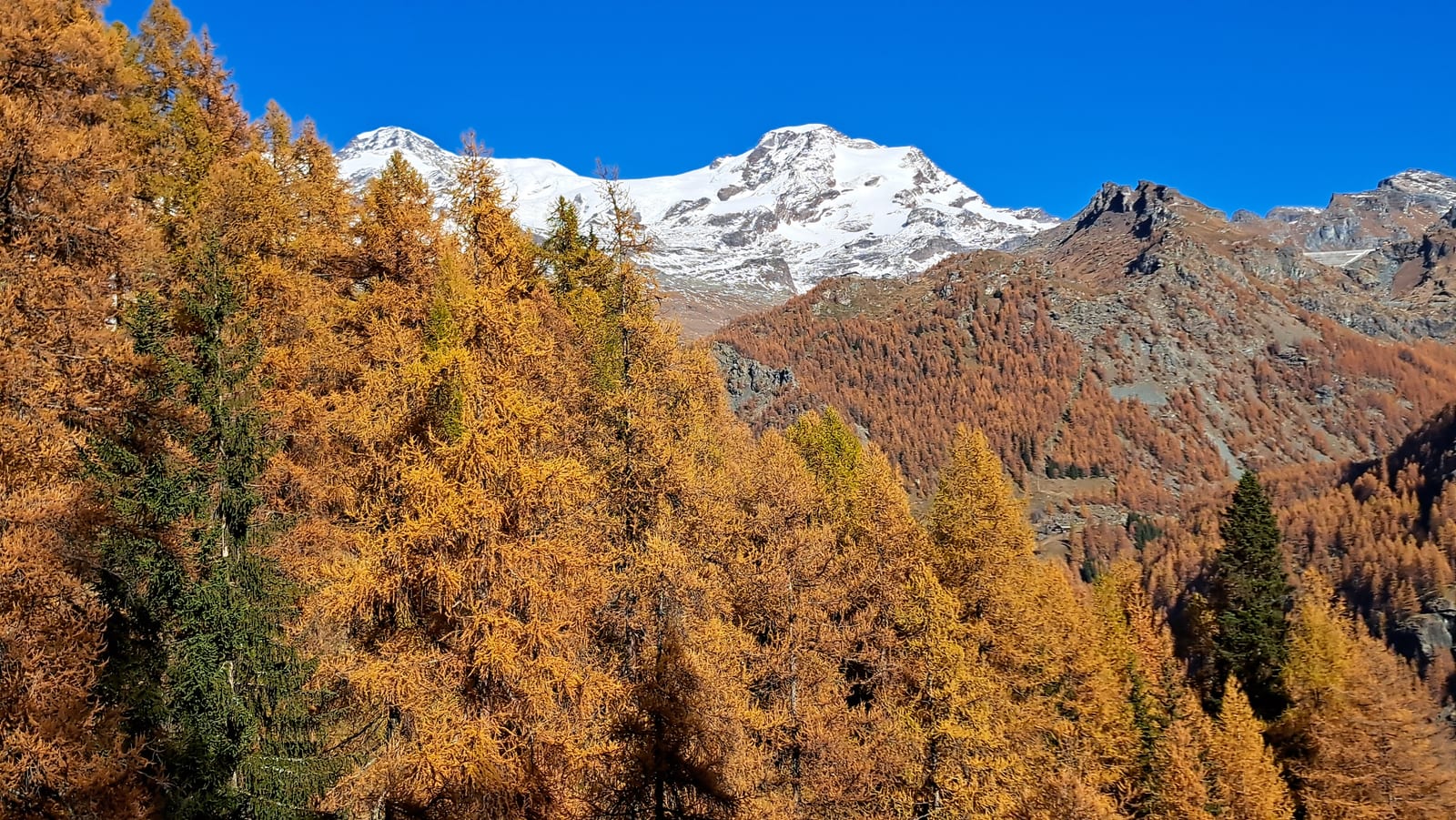
The Gressoney Valley is the first valley on the Monte Rosa massif on the Aosta Valley side. It is a valley heavily developed for skiing, connected both to Val d'Ayas, in Aosta Valley, and to Valsesia, in Piedmont. And yet it has managed to preserve an authentic character of its own. It is a Walser valley, and traces of this culture can be seen almost everywhere, especially moving away from the more touristic villages, such as Alpenzu, on the valley's right-hand side, where a lovely refuge also stands. The Lys stream runs along the valley floor, and the climb to its source is memorable, where you can admire the glacier from whose melting the river originates. The valley is covered in larches, which give their best in autumn.
12 Matterhorn Valley ↑
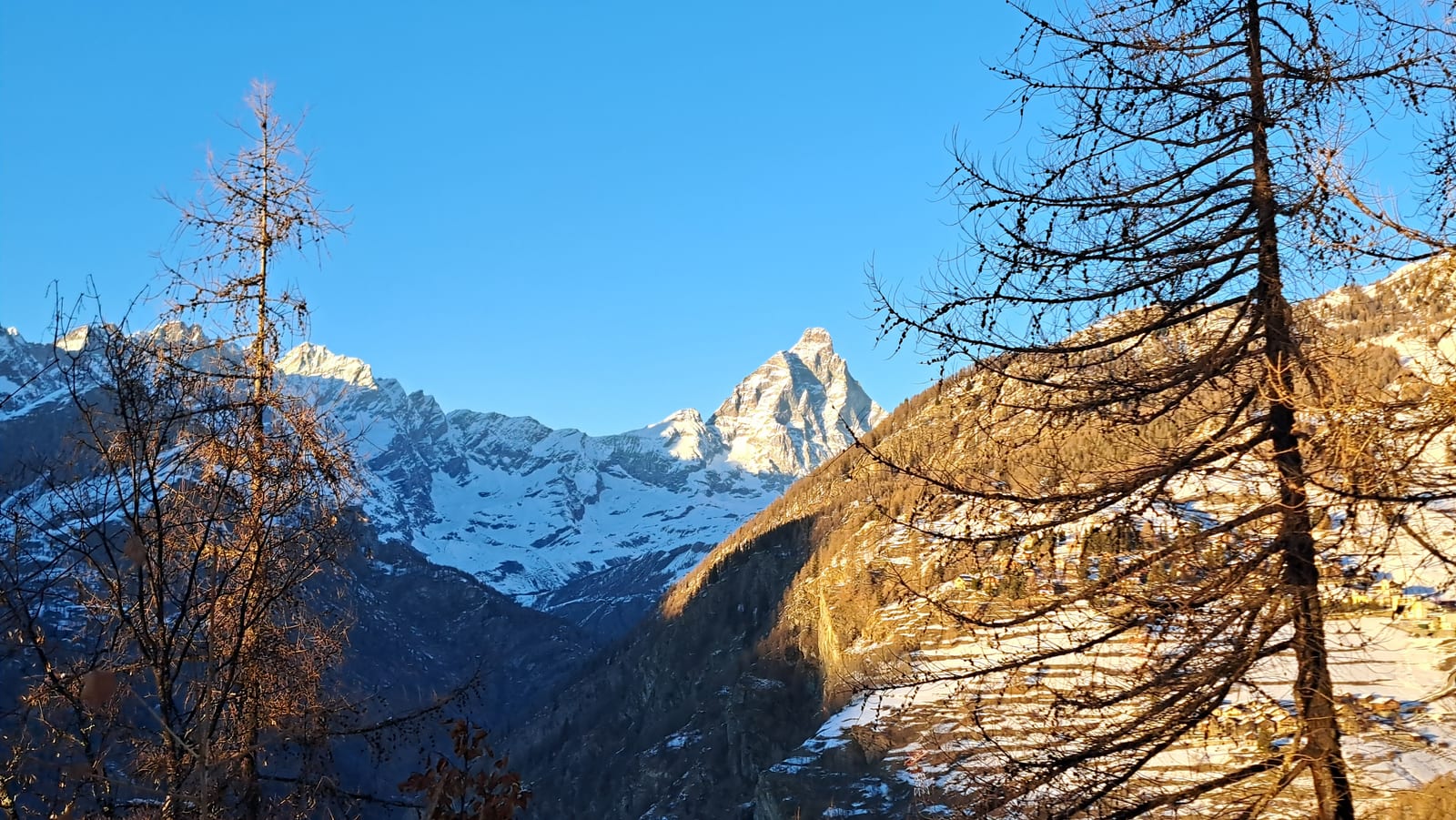
The Matterhorn is one of the most iconic mountain shapes in the world, the classic mountain children draw. It is also a mountain heavily exploited for skiing, perhaps too much so: its slopes are literally blanketed with lifts. Seen from a distance, that is perhaps the best way to appreciate its beauty. Several smaller villages, compared to Valtournenche or Cervinia, retain a bit more authenticity. At eighteen hundred meters, reachable only by cable car, sits Chamois, a lovely, car-free village, with wonderful views of the Matterhorn and beautiful walks, especially in winter, when the snowshoe hike from La Magdeleine is very enjoyable. The mountain, so scarred by ski development, however, tends to keep me away in summer.
13 Valpelline ↑
Valpelline is one of the most authentic places in Aosta Valley. Far from the noisy ski resorts, it is a valley made of simple nature, with high altitude refuges and stunning mountains. If you are looking for mountains not scarred by lifts everywhere, as unfortunately is often the case in Aosta Valley, Valpelline is the right place. Unfortunately, in winter all the refuges are closed, which is a shame, because it is precisely the season when the valley offers the most.