When you live in the shadow of the Alps, it is not trivial to go looking for mountains beyond them. It is no accident that the Alps attract people from all over the world, with their perfect combination of high level tourist hospitality and nature that remains untouched in so many stretches, paired with access infrastructure that is often excellent.
There are too many mountain ranges I still wish to visit, if I ever get the chance: the Himalayas and the Karakoram in Asia, Kilimanjaro in Africa, the Andes in South America, Mount Fuji and Hokkaido in Japan, Denali in Alaska, and without going so far, even in Europe there are places still missing from my list, like the Pyrenees. The list could go on for hours.
Some satisfactions, though, I have already earned. Beyond the Alpine arc, which I have visited not only in Italy but also across the border, in France, Switzerland, Austria and Germany, I have also been to the Rocky Mountains, both Canadian and American, and to the American Sierra Nevada, and then to Norway. I have even gone looking for mountains in unlikely places, like Spitzkoppe, in the Erongo Mountains in Namibia, the Serra da Estrela in Portugal, or the Grampian Mountains in Scotland, with their Ben Nevis.
This page is dedicated to the places in the world I have seen, and to those I still have to see, hoping to be able to add over time the content that is still missing.
Map of the places
Where I have been
- 1 Canada, Rocky Mountains — Banff, Lake Louise, Jasper
- 2 United States, Rocky Mountains — Glacier NP, Yellowstone NP, Grand Teton NP
- 3 United States, Sierra Nevada — Yosemite NP, Alabama Hills
- 4 United States, Mount Rainier National Park
- 5 United States, Colorado Plateau
- 6 Namibia, Erongo Mountains
- 7 Austria, heart of the Alps
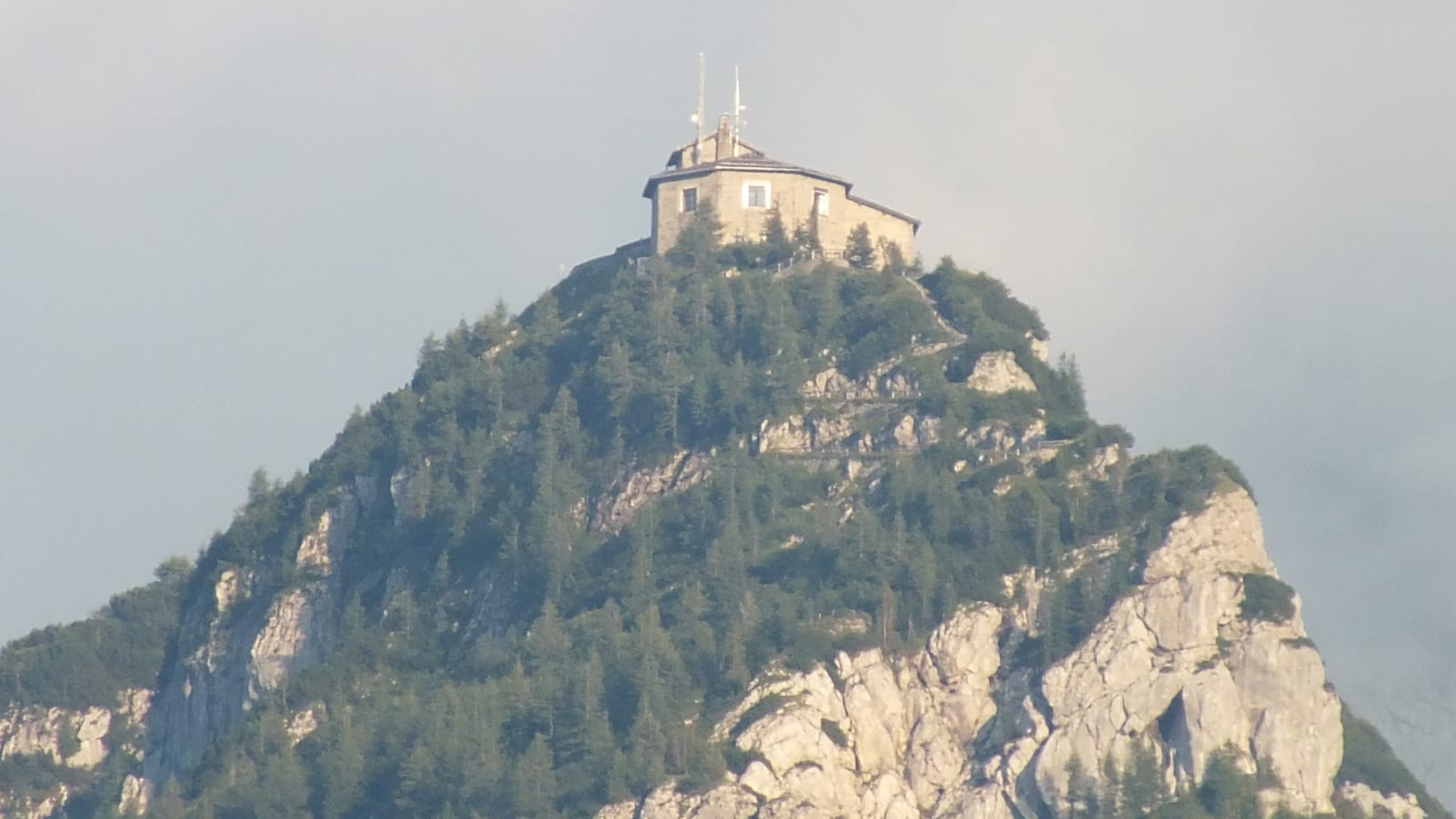
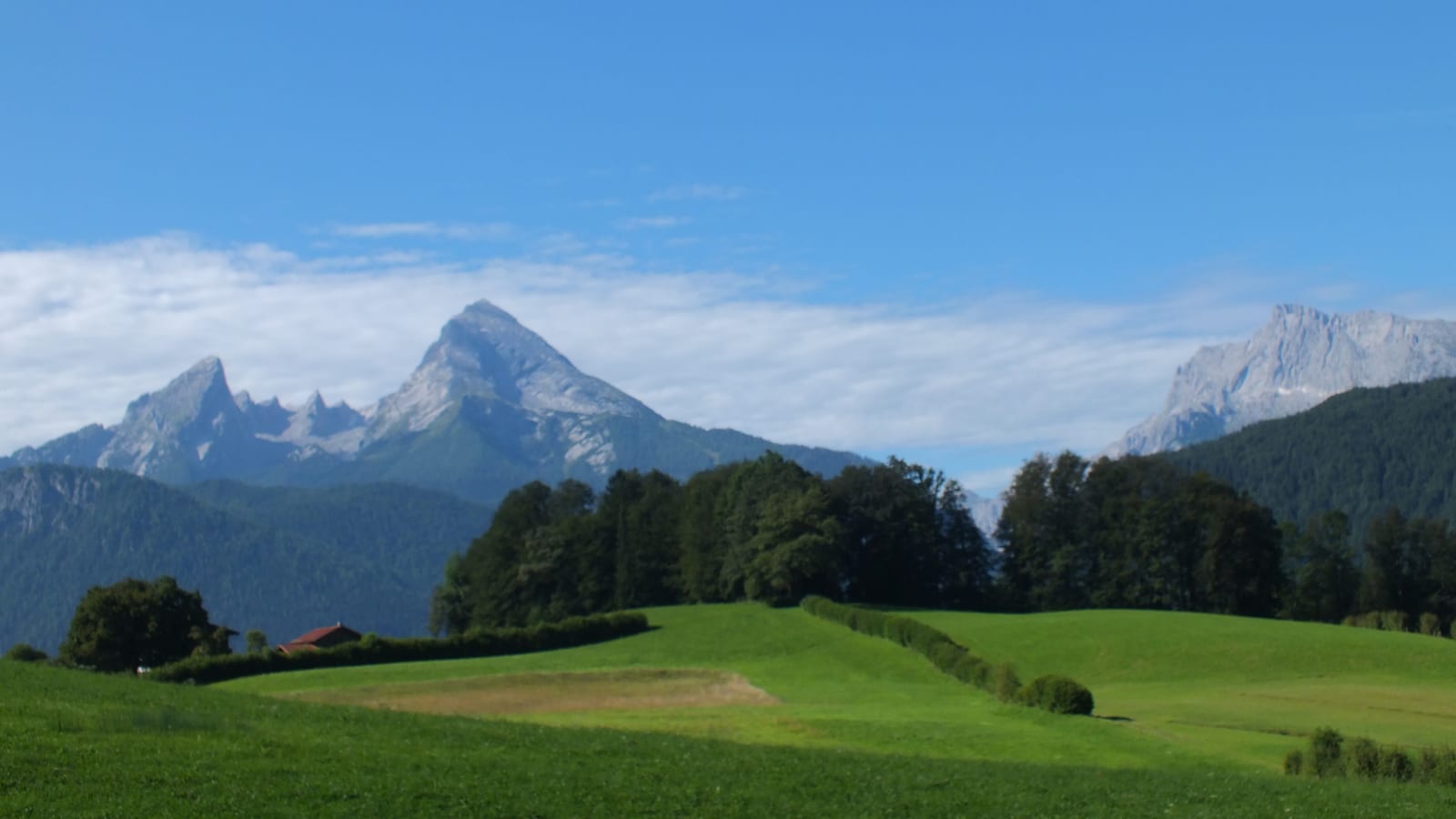
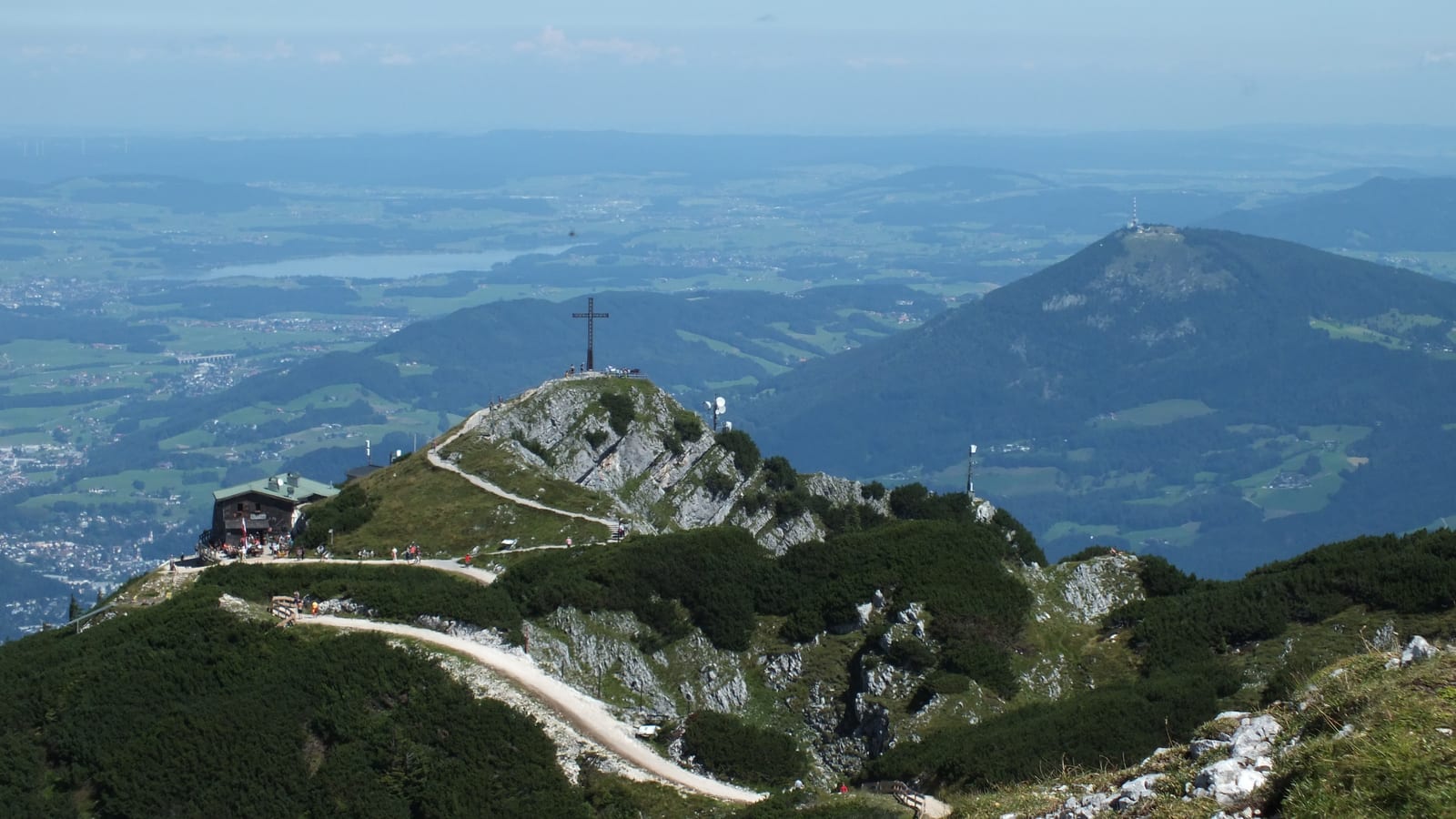
- 8 Germany, Berchtesgaden Alps (Kehlsteinhaus area)
- 9 Central Norway
- 10 Portugal, Serra da Estrela
Still to visit
- Nepal, Himalaya — Everest Base Camp and Annapurna
- Pakistan, Karakoram — K2 and the Baltoro Glacier
- Tanzania, Kilimanjaro — Machame route and Uhuru Peak
- Peru, Peruvian Andes — Cordillera Blanca and Machu Picchu
- Chile and Argentina, Patagonia — Torres del Paine and Fitz Roy
- Japan, Mount Fuji and Hokkaido — Daisetsuzan National Park
- United States, Denali — Denali National Park, Alaska
- France and Spain, Pyrenees — Pic du Midi and Ordesa National Park
- Georgia, Caucasus — Kazbegi and the Svaneti region
- Romania, Transylvanian Carpathians — Bucegi and Piatra Craiului mountains
- Morocco, Atlas Mountains — Toubkal (the highest peak in North Africa)
1 Canada, Rocky Mountains — Banff, Lake Louise, Jasper ↑
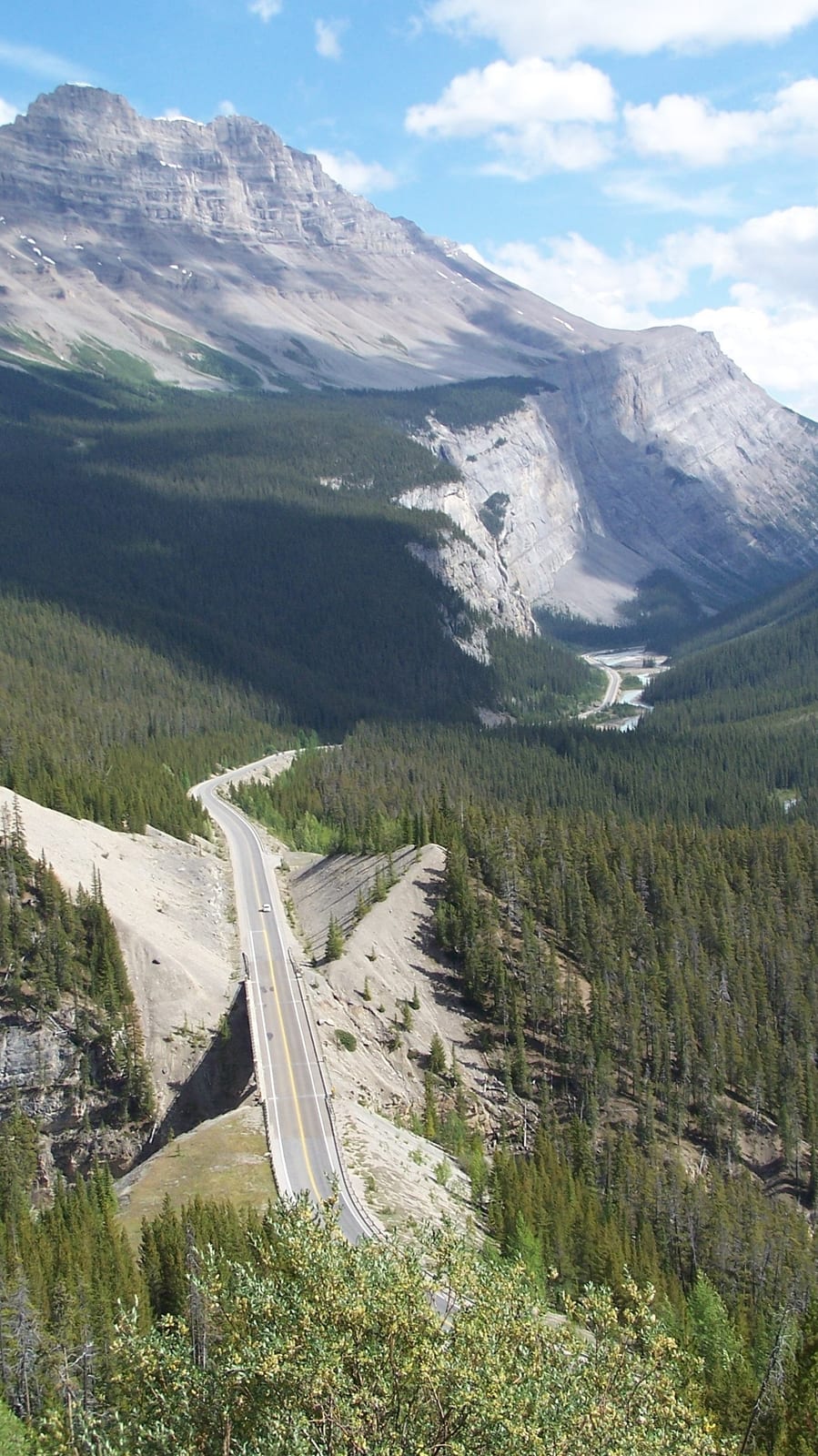
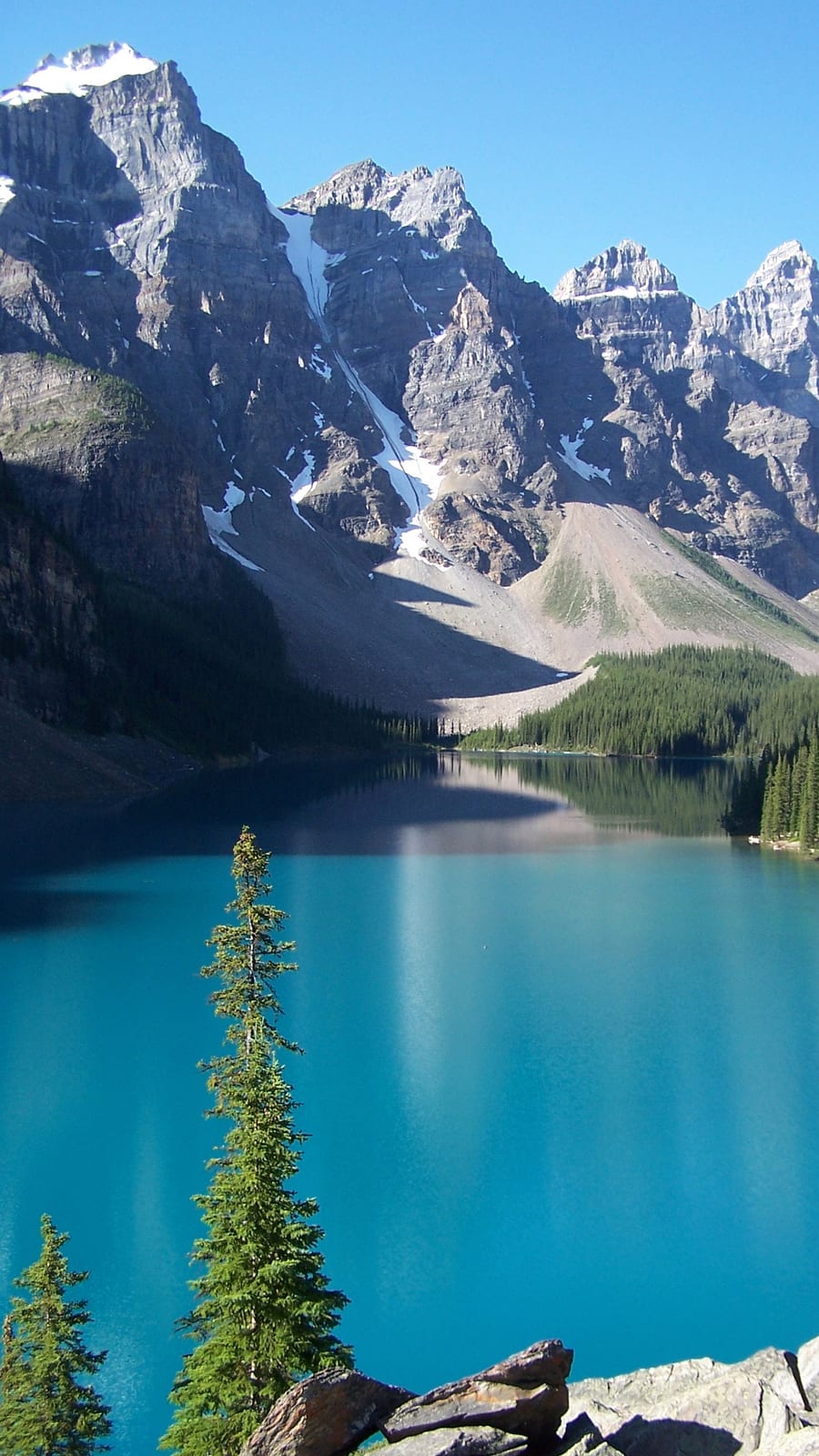
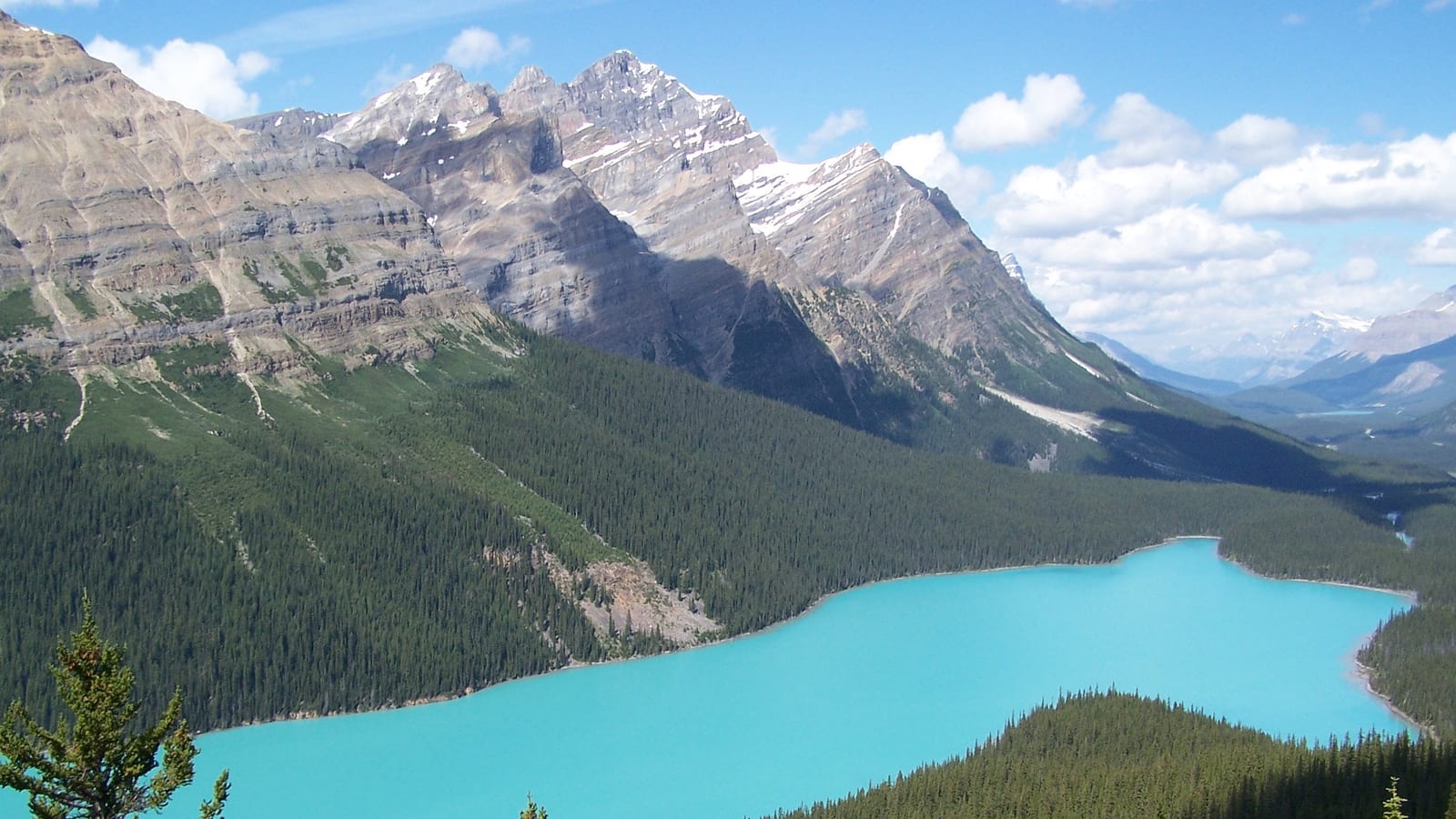
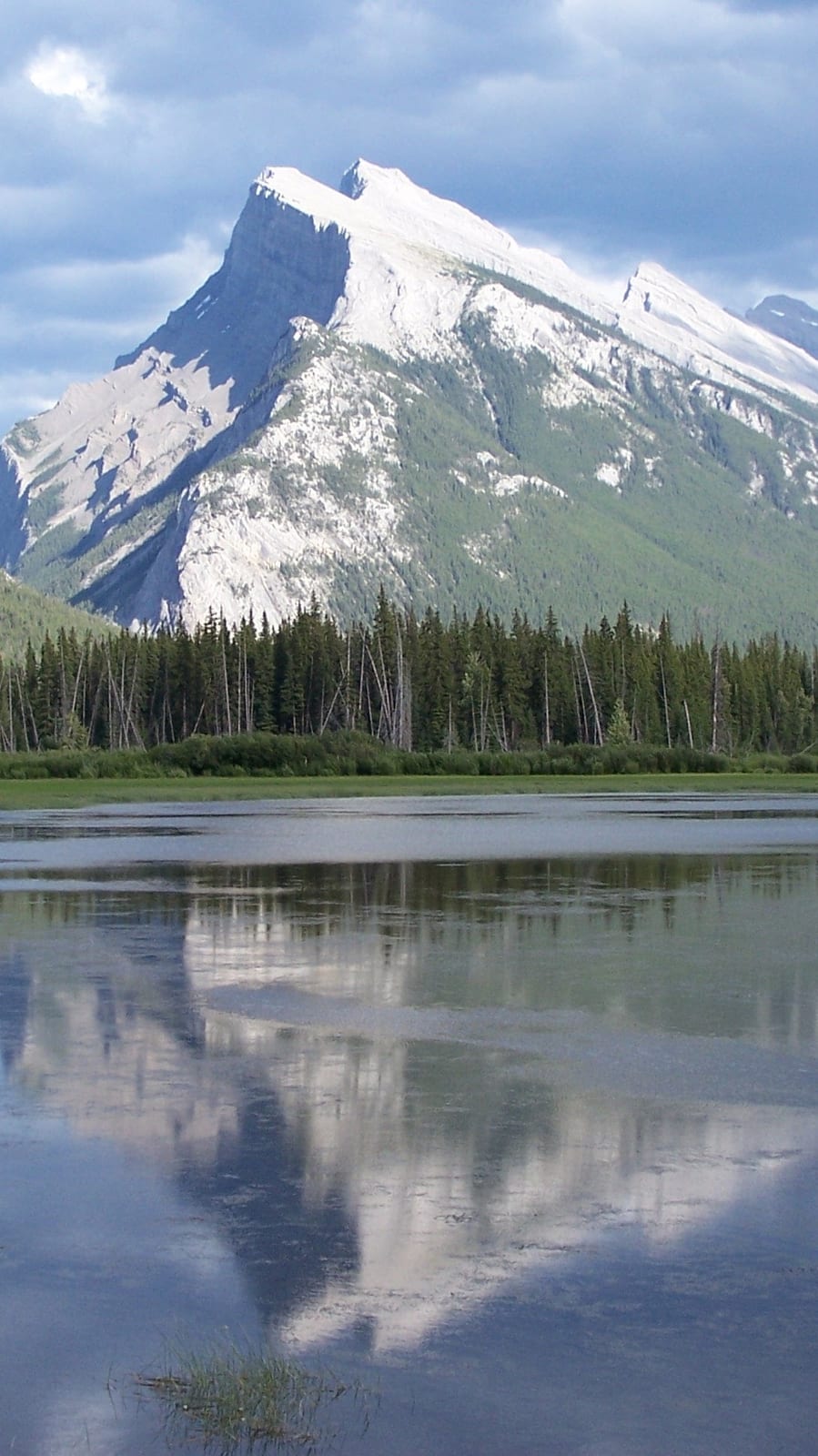
We arrived on the Canadian Rockies coming down from Seattle, and the first impression was one of scale: valleys carved by ice on a dimension the Alps simply don't have. The Icefields Parkway is the spine of the visit, a road that winds for hours beneath glaciers and vertical rock walls, with a new postcard view around every bend. Banff's glacial lakes are the ones everyone comes for, and they earn the reputation. Moraine Lake, with its turquoise water and the jagged Valley of the Ten Peaks behind it, and Peyto Lake, whose elongated shape from above recalls a falling star, are both worth the crowds they attract. Quieter, and just as beautiful at the end of the day, are the Vermilion Lakes, where Mount Rundle sits still in the water at dusk. Wildlife is part of the experience whether you look for it or not. We saw black bears from the car more than once, and on one occasion a grizzly at a safe distance, a reminder that this is still very much their territory. As the light faded over the mountains, the whole landscape took on a stillness that stayed with us long after leaving.
2 United States, Rocky Mountains — Glacier NP, Yellowstone NP, Grand Teton NP ↑
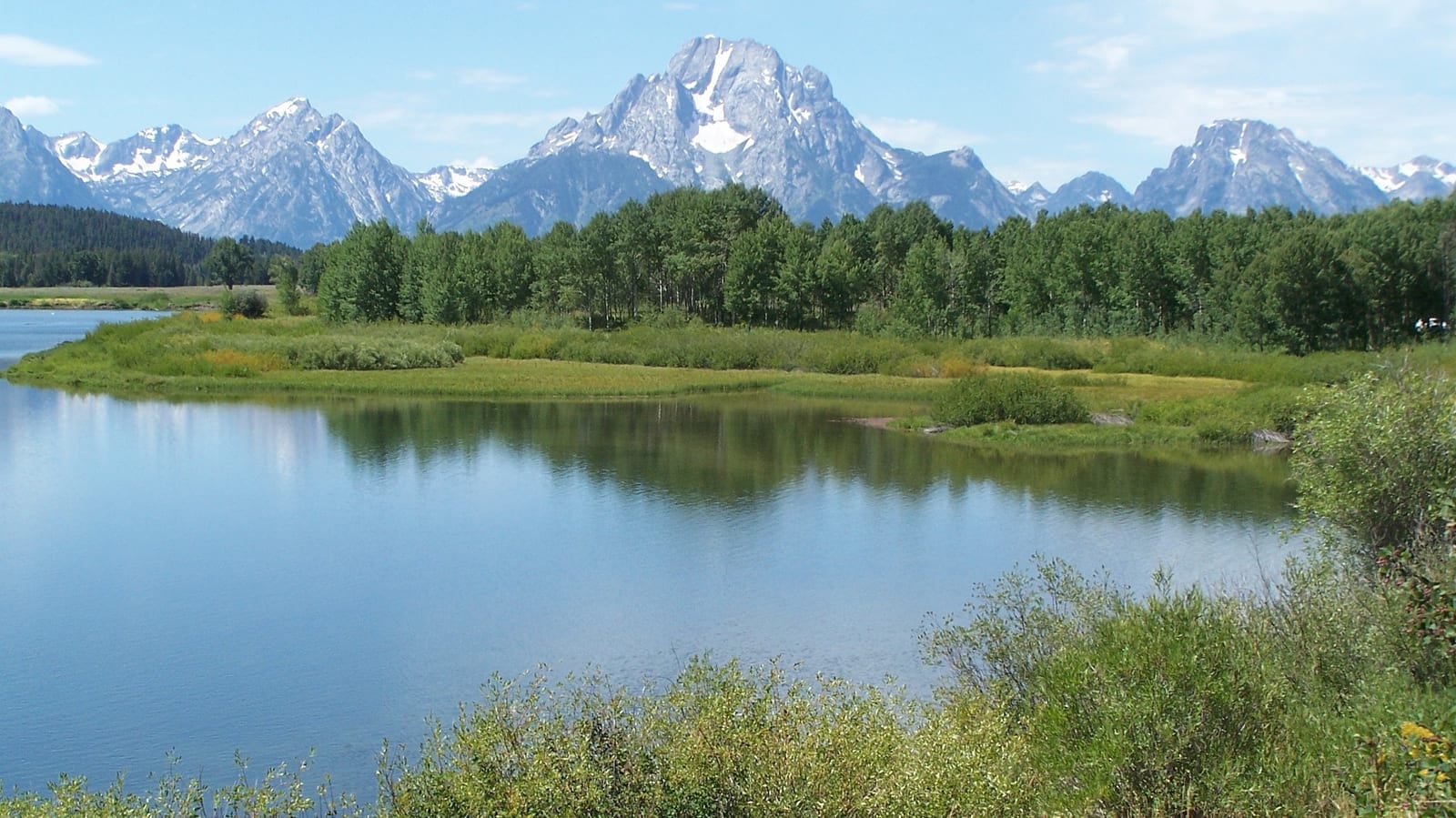
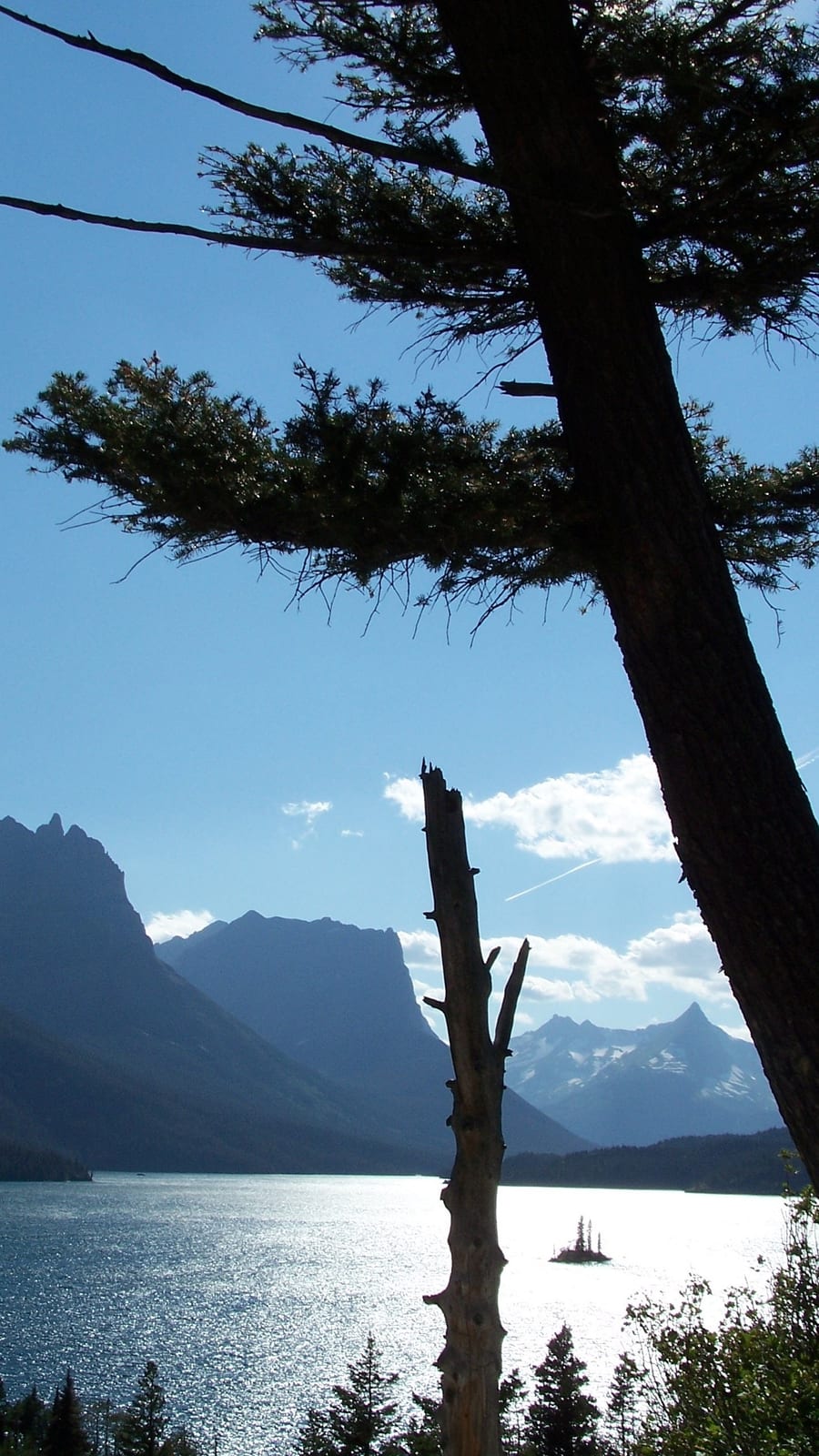
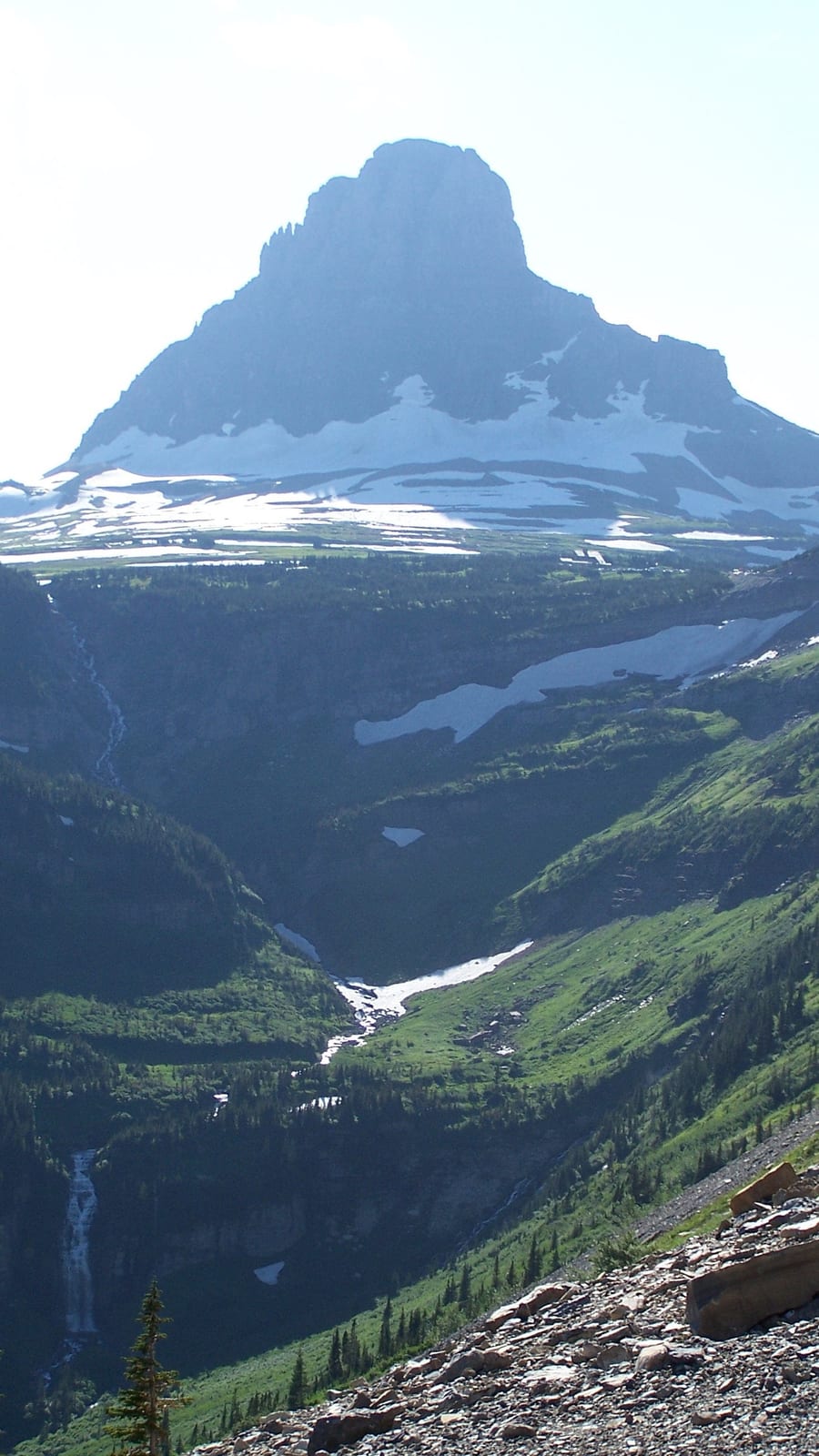
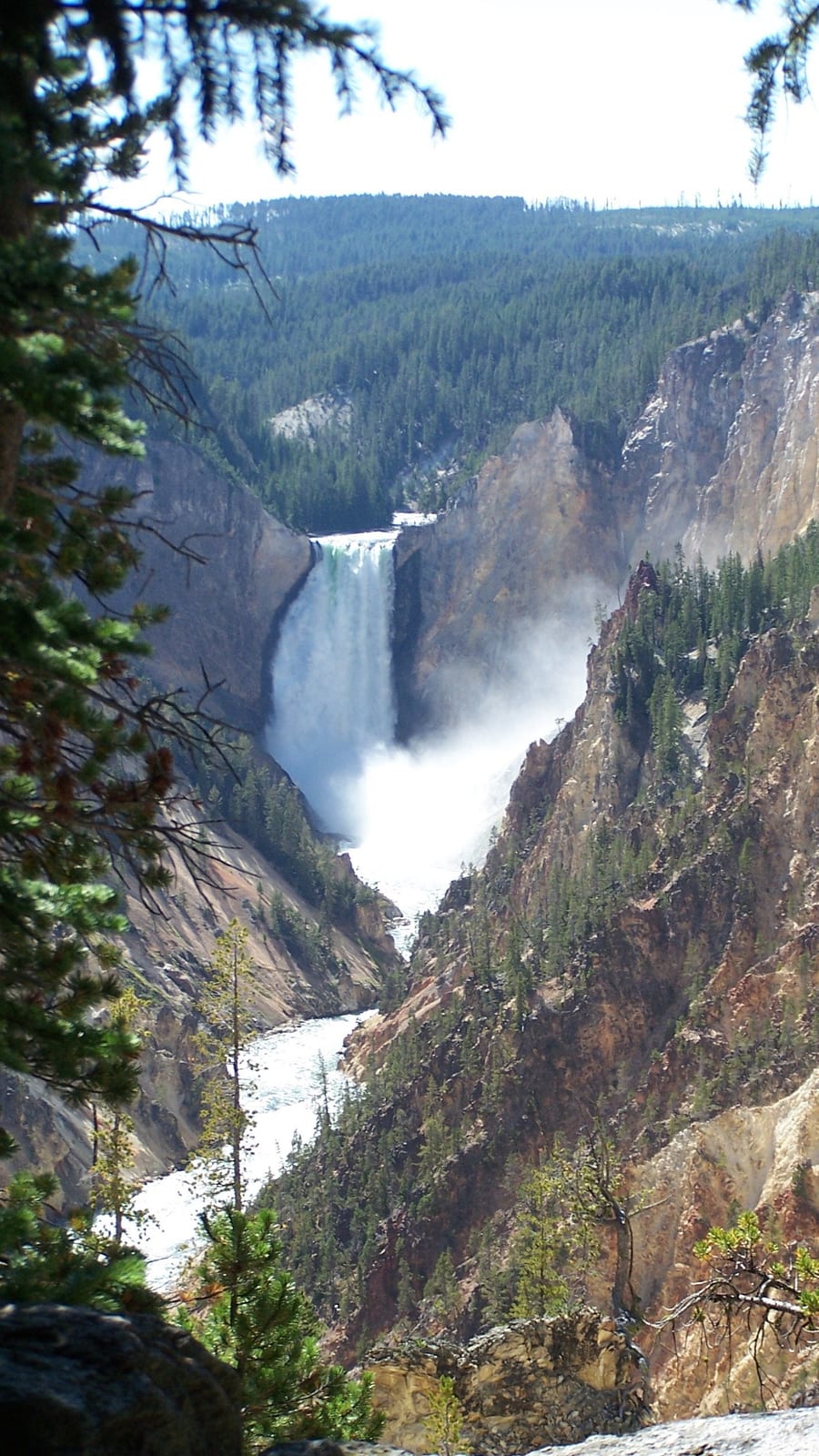
We reached the American Rockies coming down from Calgary, crossing the foothills and the endless prairies of southern Alberta, a landscape that changes register before plunging back into the mountains. The first approach was Glacier National Park, and there the feeling is one of natural continuity with the Canadian mountains just left behind: the same breadth, the same scale, the same wild beauty. What also stands out in Glacier is the human touch. The Going to the Sun Road, whose very name captures that distinctly American taste for evocative naming, climbs all the way to the celebrated Logan Pass, delivering mountain views in the most classic sense of the term: glacial valleys, austere rock faces, lakes set among the rocks. Heading south, you reach Yellowstone, a world apart. It is not a mountain place in the way you might imagine: it is a volcanic caldera, with its geysers, hot springs, and an incredibly rich wildlife to spot at every turn. It is one of those places you should see at least once in your life. In summer, the landscape turns very dry, leaning toward yellow. Continuing further south, Grand Teton National Park gives back the mountain exactly as you would expect it: green, imposing.
3 United States, Sierra Nevada — Yosemite NP, Alabama Hills ↑
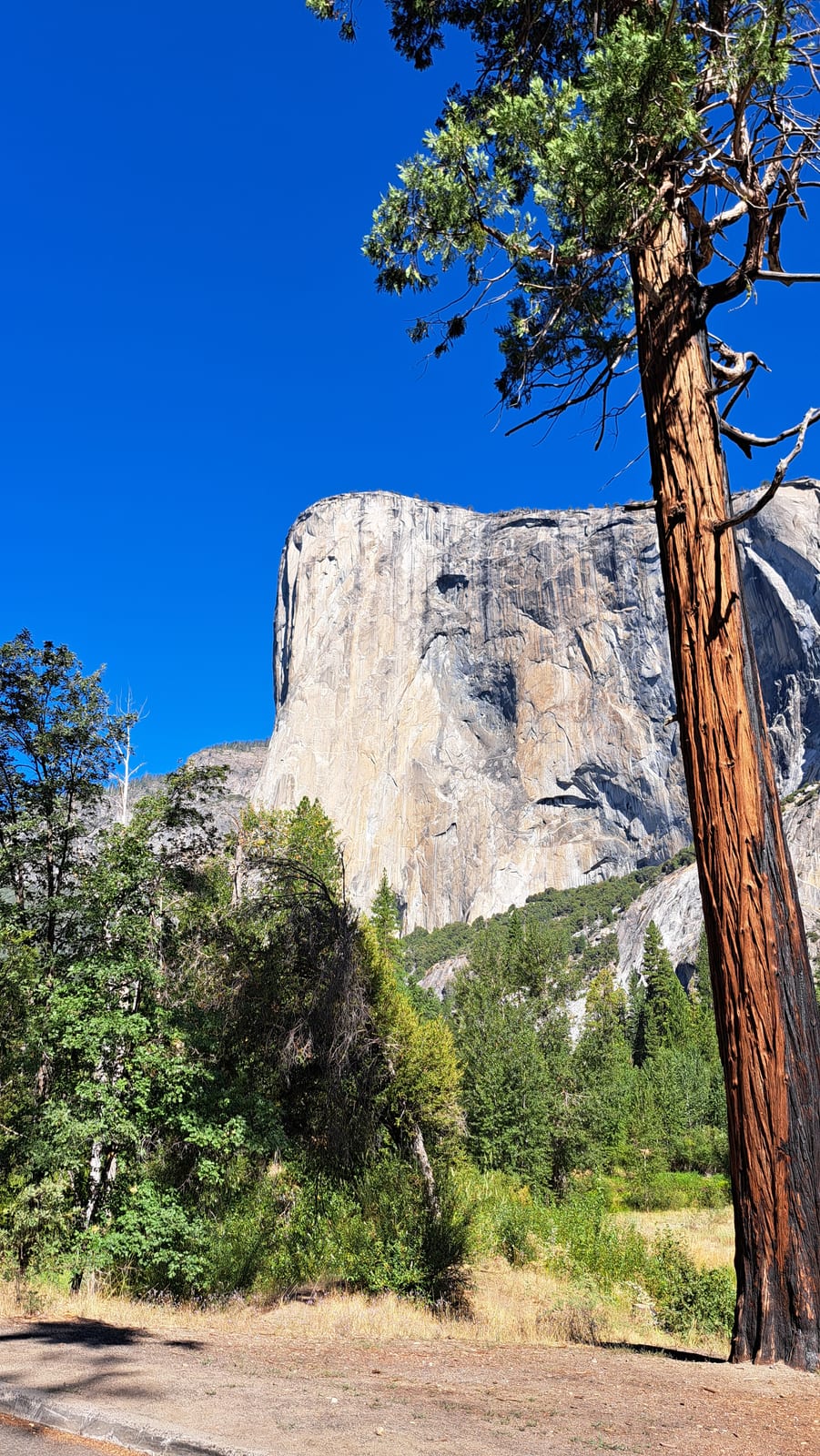
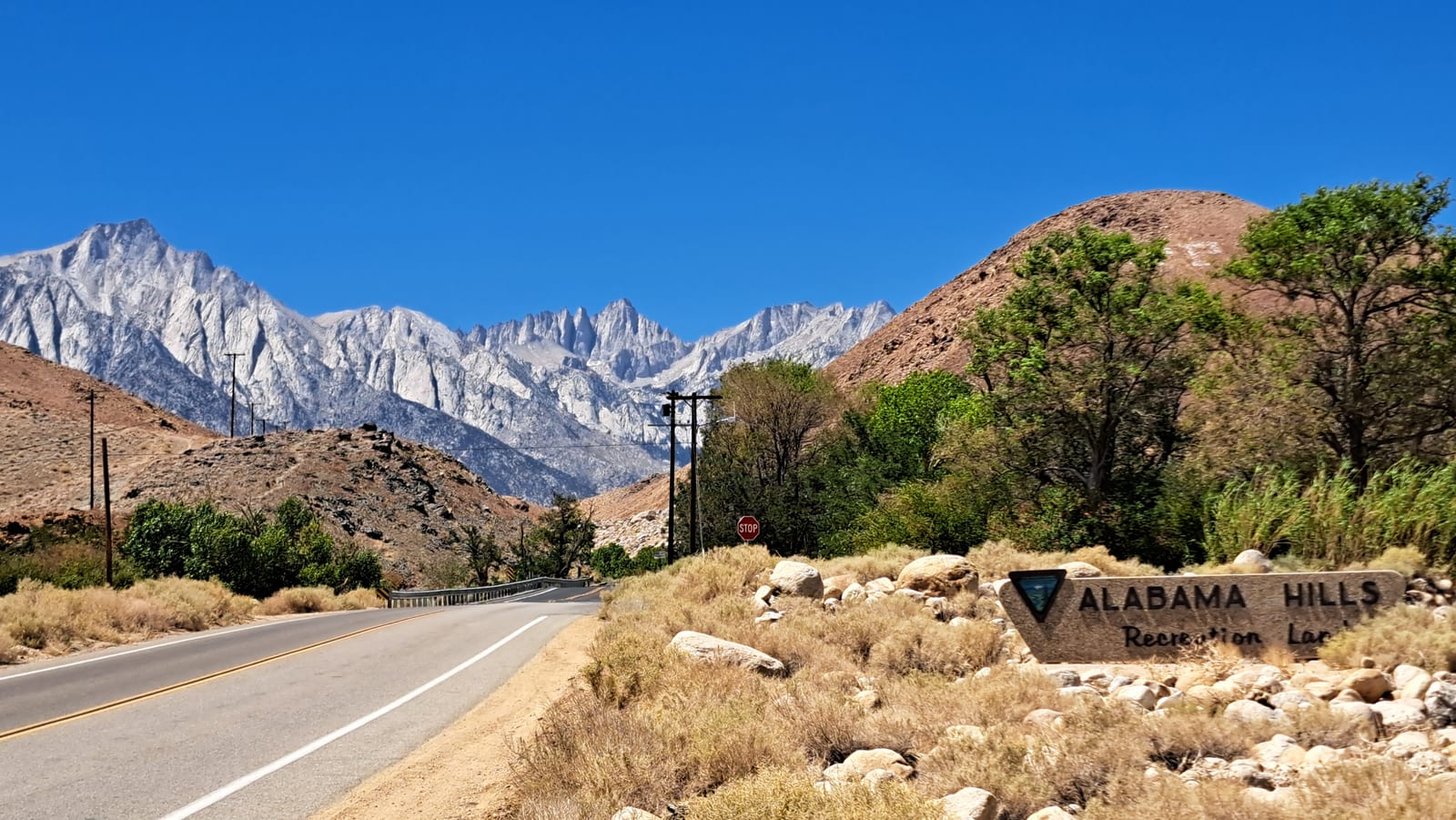
When you think of the mountains of North America, you think of the Rocky Mountains. When you think of California, you think of the ocean. And yet California is also home to the Sierra Nevada, a range that includes some of the highest mountains in the United States. It is an extremely long range, one that would deserve a trip of its own. Like many travelers, we limited ourselves to a quick visit to Yosemite National Park, which recalls so strongly our beloved Dolomites, with its vertical granite walls. East of Yosemite, the mountains drop abruptly toward desert terrain. The drive south takes you through bare, open land, always with the range on your right, until you reach the Alabama Hills, with their whimsical rock formations, natural stone bridges, and views of the highest peaks in the background, among them Mount Whitney, the highest mountain in the contiguous United States.
4 United States, Mount Rainier National Park ↑
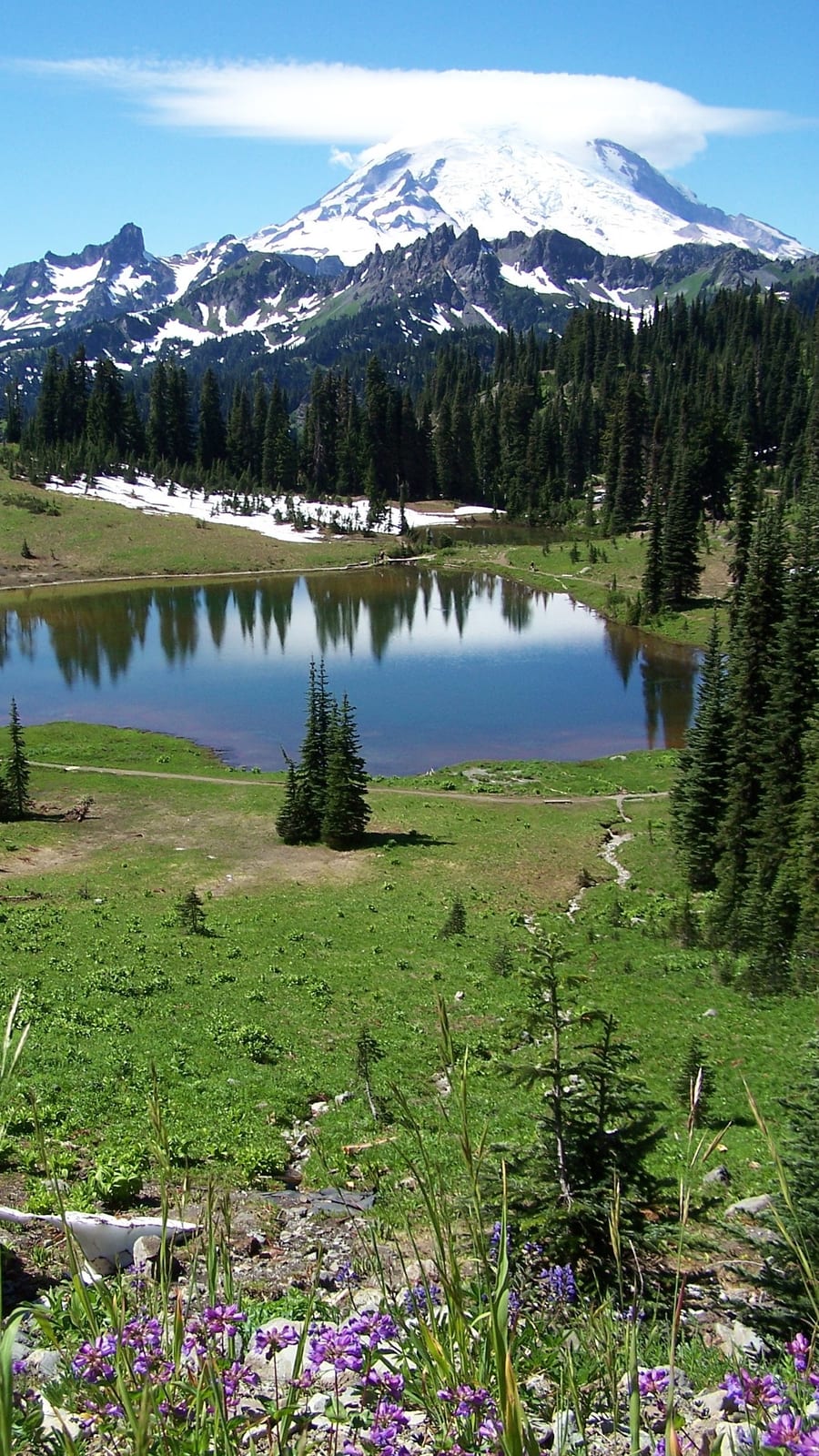
If you think of the state of Washington, mountains are certainly not the first thing that comes to mind, but rather Seattle, technology, rain, grunge. And yet that very state hides an extremely tall volcano, almost always snow-capped even in summer, offering mountains in their purest form, exactly as you would expect them: alpine tarns, hiking trails of real substance, views that have nothing to envy from the continent's great ranges. It is a stop often left out of road-trip itineraries in the United States. But if you pass through this area, and you love nature and mountains, you cannot afford to miss it.
5 United States, Colorado Plateau ↑
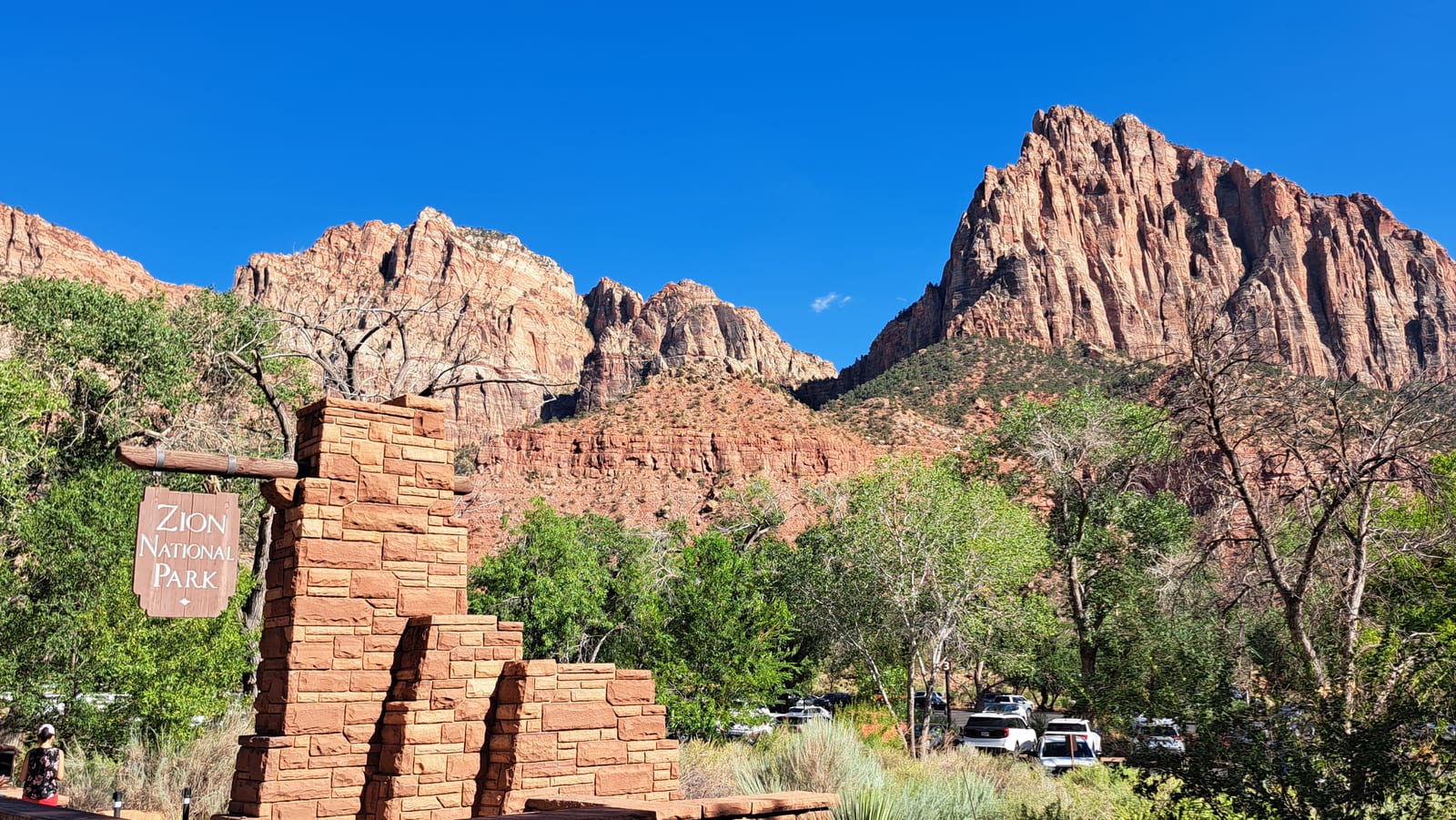
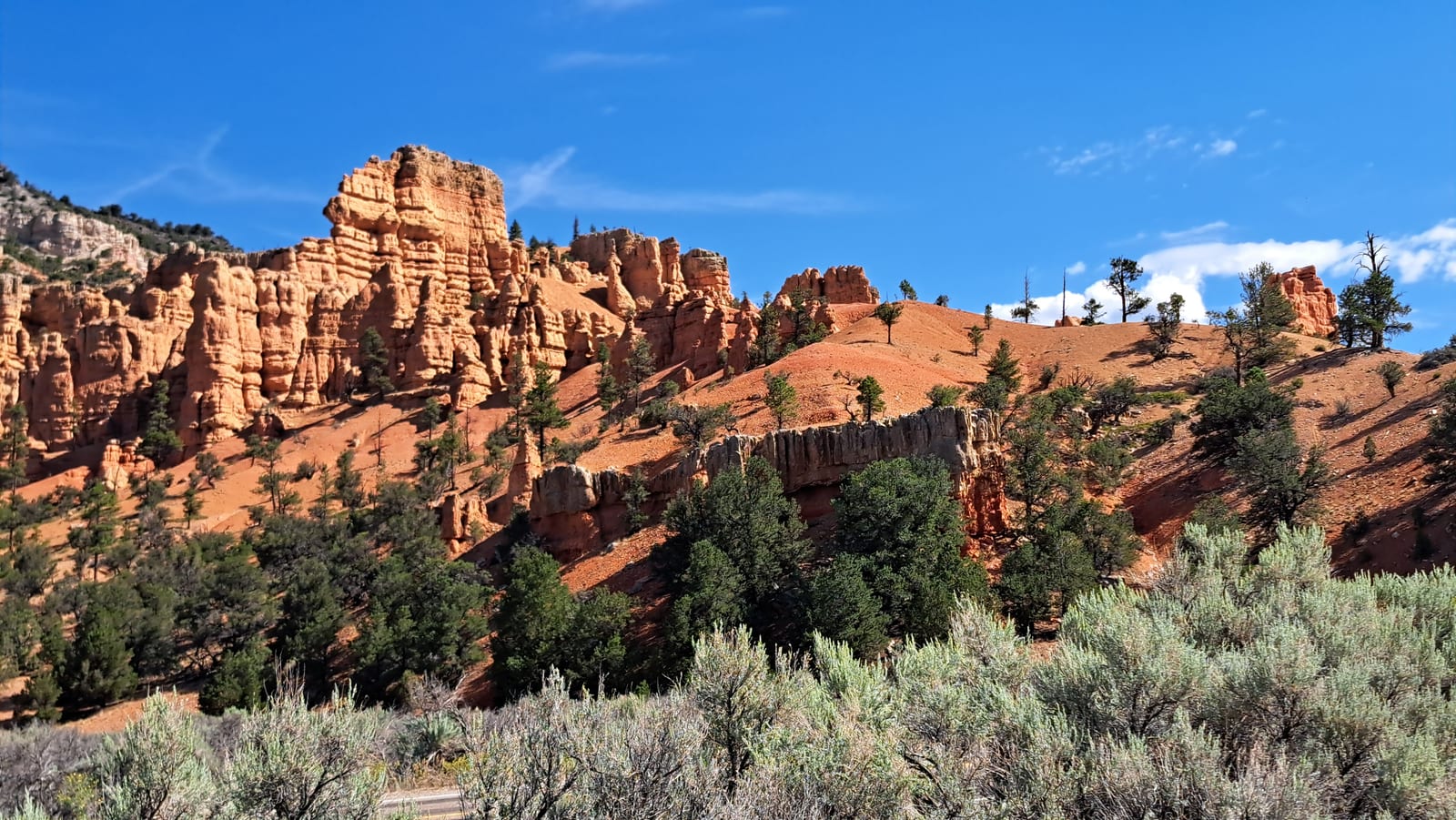
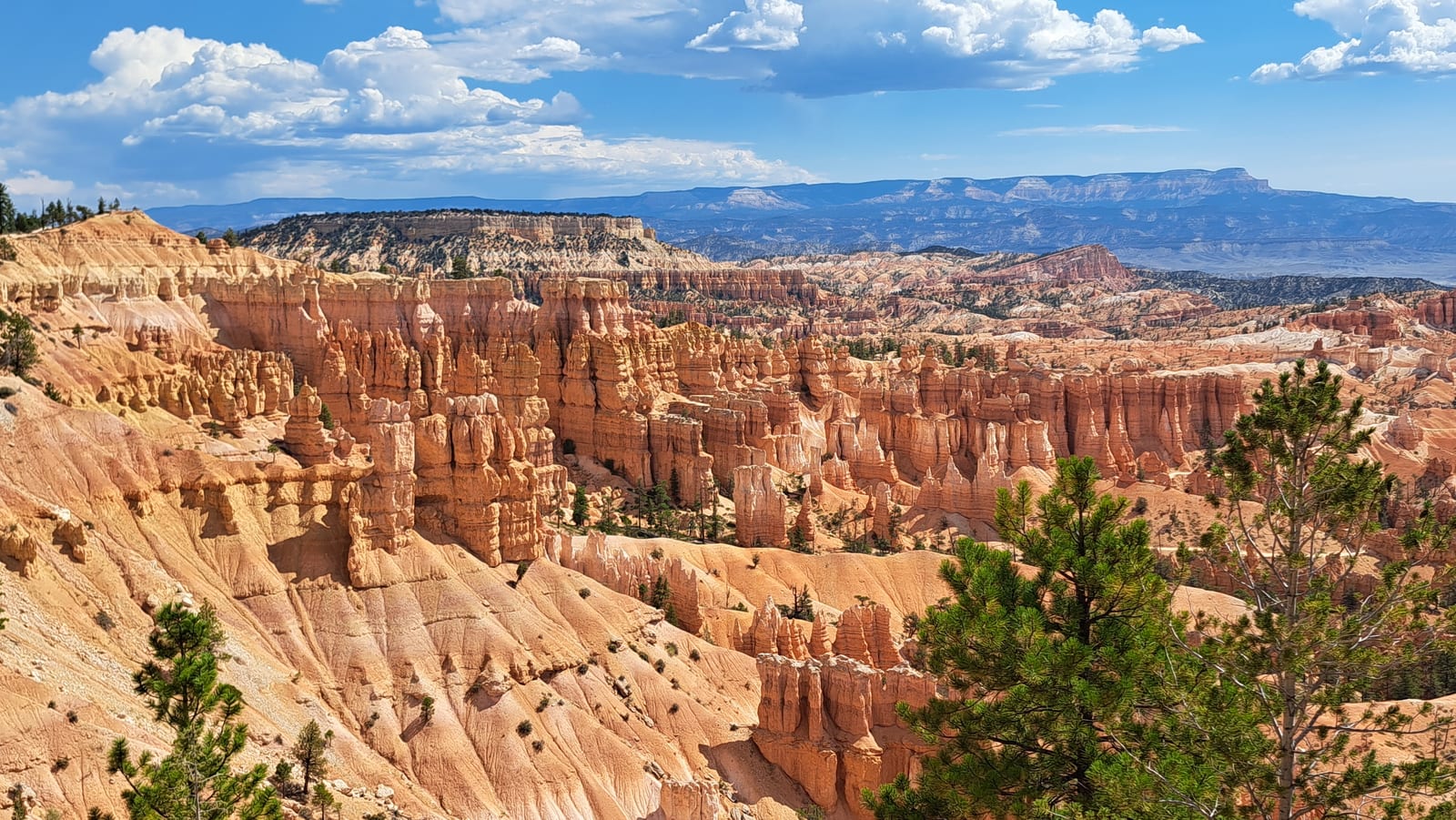
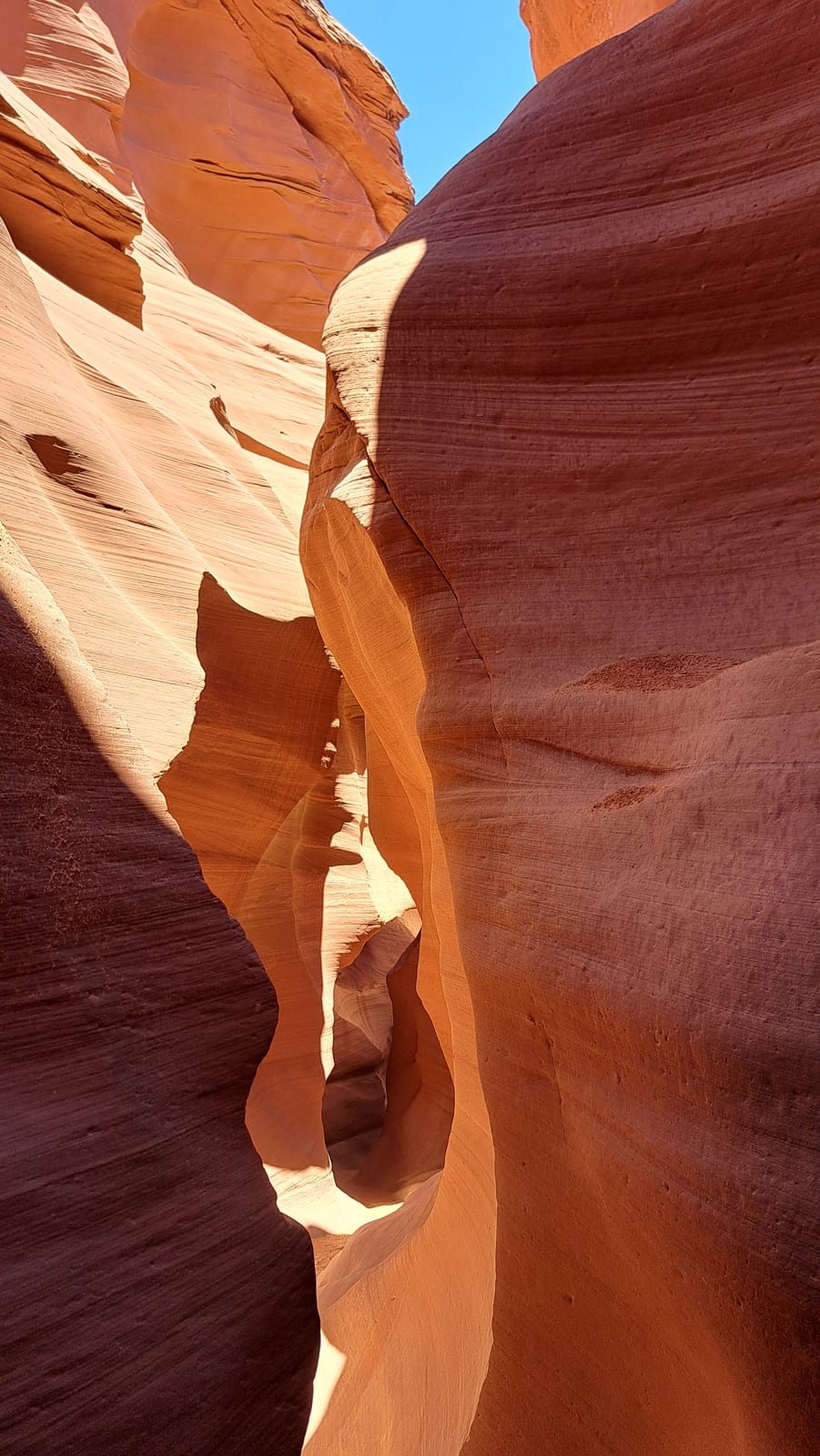
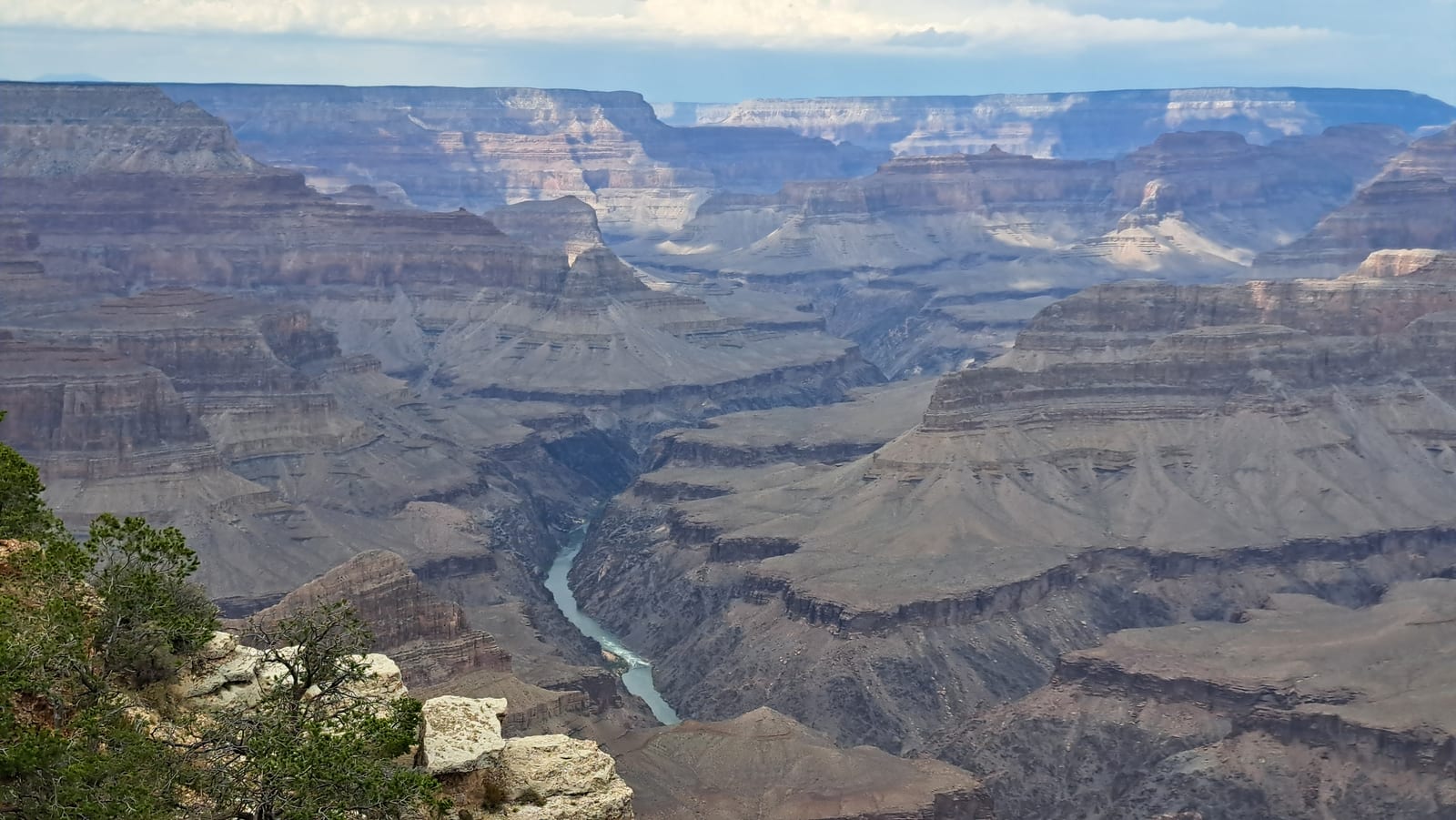
When you drive across the Colorado Plateau, you barely notice the altitude at which you are traveling, an elevation that elsewhere would already count as medium, if not high, mountain terrain. It is an immense plateau, shared among several American states, concentrating an impressive number of national parks and beyond: Zion, Bryce Canyon, slot canyons such as Antelope Canyon, the Grand Canyon, Monument Valley. The list could go on for a long time. In this place, true mountain parks alternate with something else: Zion, where you can climb genuine mountains, and what I call upside down mountains, the canyons, hiking trails that, instead of climbing first and descending later as usually happens, do the opposite, you descend first and only afterward climb back up to return to the starting point. Canyons can be shallow, like the slot canyons, or astonishingly vast and deep, like the Grand Canyon. My heart stayed at Bryce Canyon. The landscape managed to surprise me, unique in its shapes, just as Antelope Canyon is unique in its colors: places you will not find anywhere else.
6 Namibia, Erongo Mountains ↑
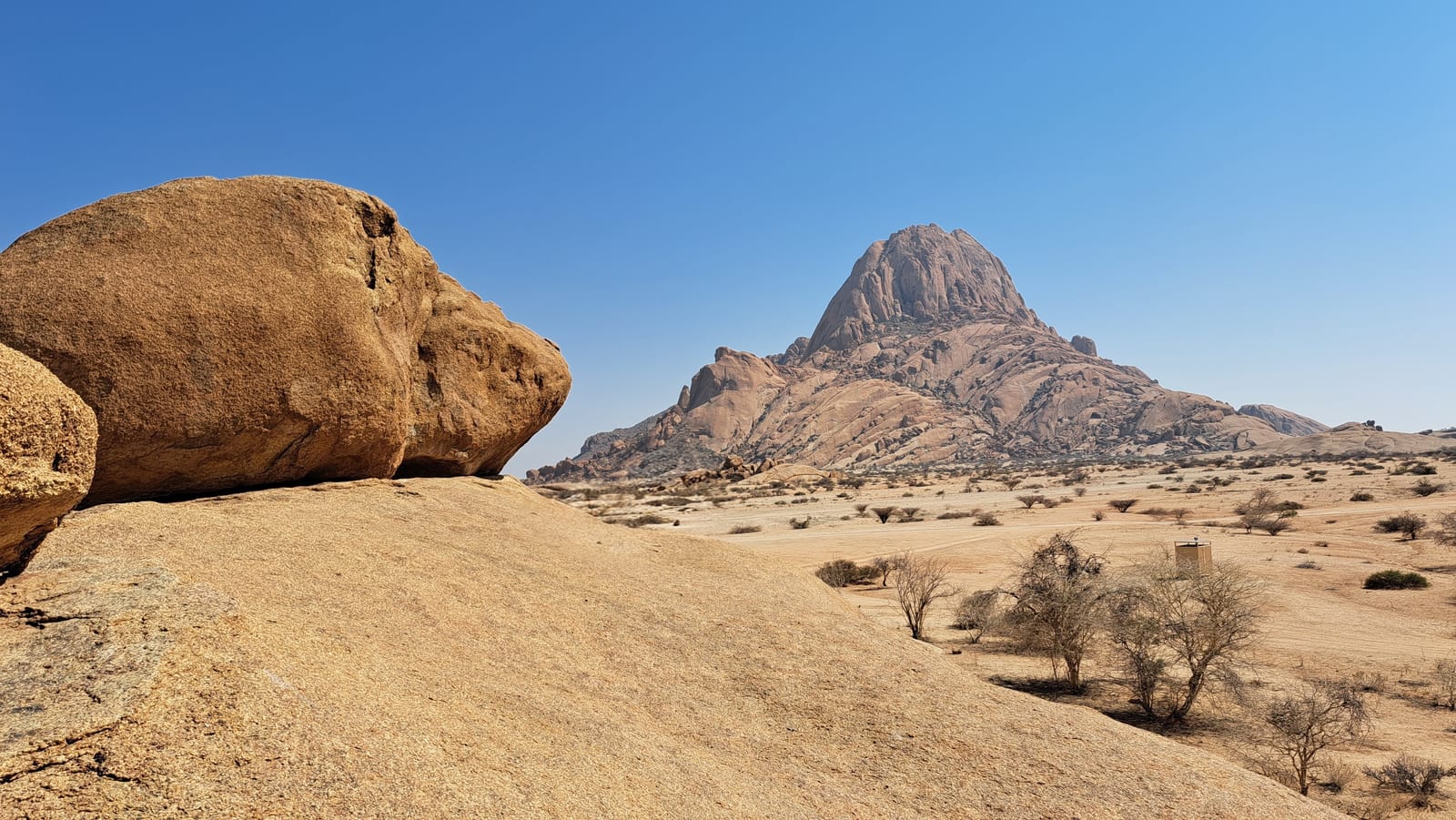
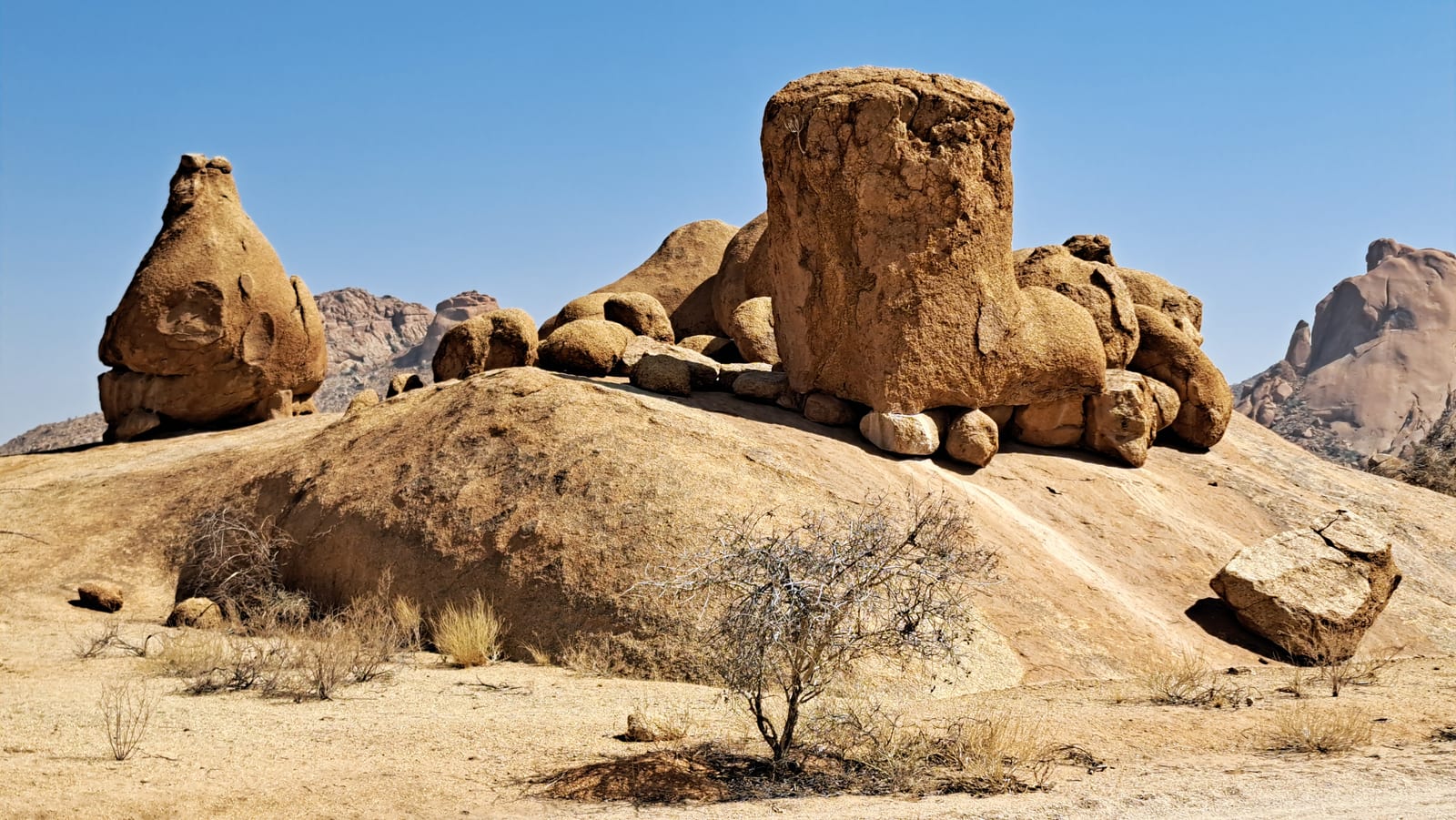
The Erongo Mountains, in Namibia, fall into my special category of mountains you would not expect. When you think of Namibia, mountains are certainly not what comes to mind, but rather vast arid plains and stretches of sand desert. And yet, at a certain point, as you drive along an endless stretch of road, a shape appears on the horizon strikingly similar to a well known peak in the Italian Alps, the Matterhorn. This is Spitzkoppe, standing alone within this ancient mountain range, as the bizarre shapes of the giant boulders at its base, sculpted by the wind, also testify.
7 Austria, heart of the Alps ↑
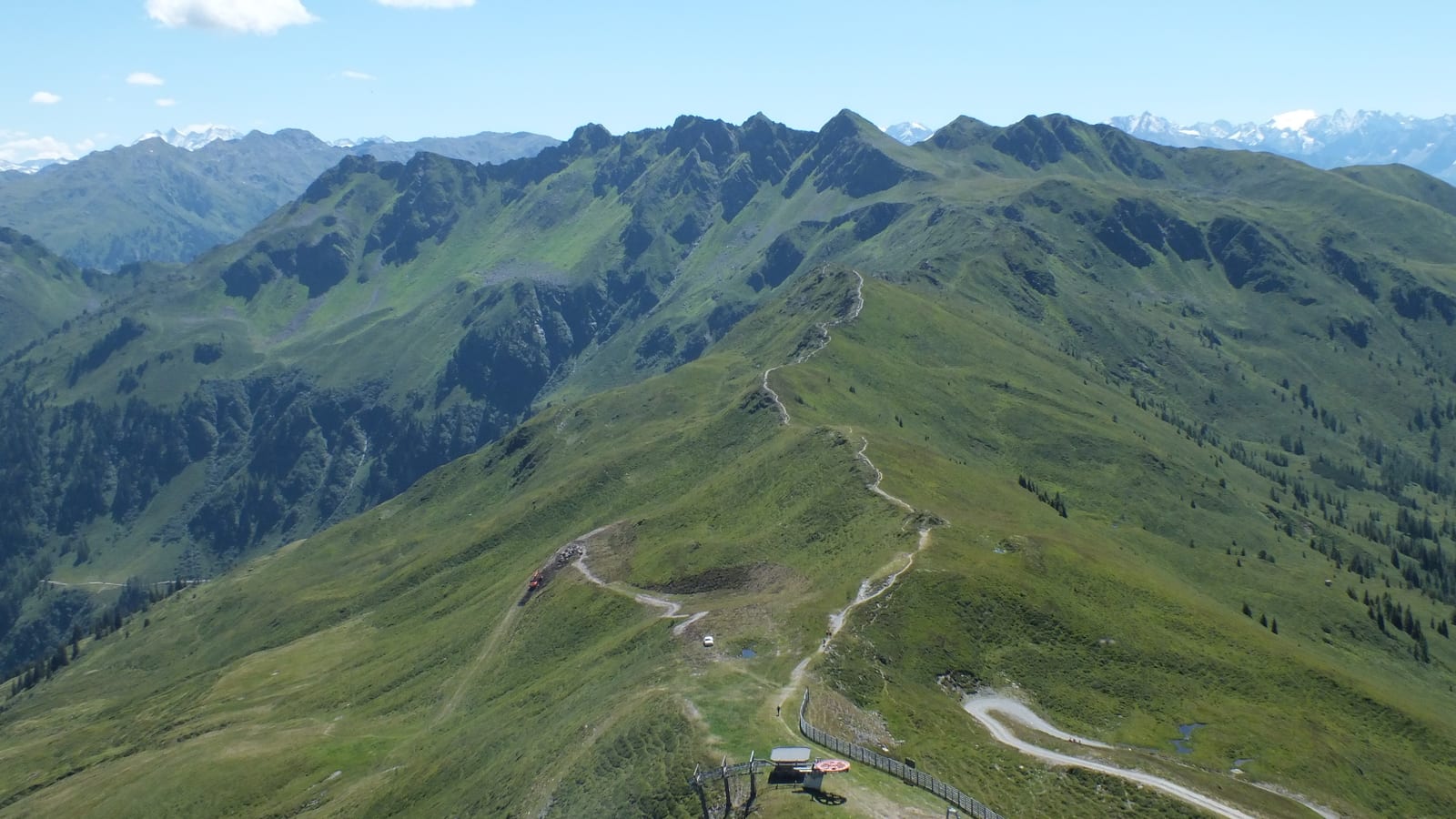
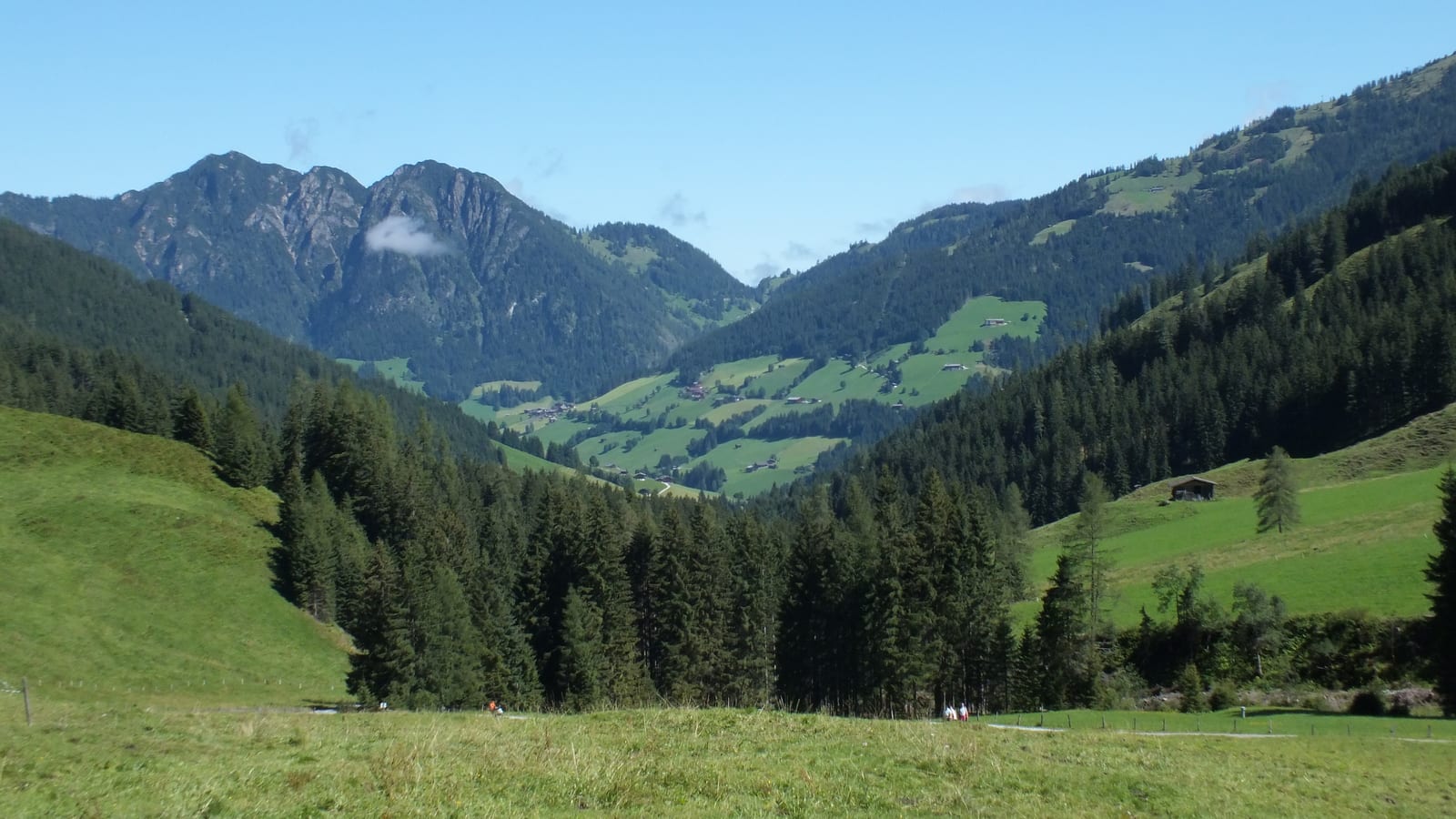
From Italy, the main way into Austria is the Brenner Pass, and leaving the Dolomites, and the mountains of South Tyrol more generally, behind takes a certain effort of will. Along the motorway, the signs for the various valleys climbing up around it follow one another, each a different temptation. It would be presumptuous to say I have seen the Austrian Alps having visited only one valley, the Alpbachtal, but it is at least a taste. It was not a fully satisfying experience. These are gentle mountains, with a dense network of trails, some of them panoramic, running along very broad ridgelines. Even the highest peaks are relatively low, never above two thousand five hundred meters. The distinctive feature is the valleys, with their intensely green pastures. A relaxing landscape, perfect for families, but not exactly adrenaline-inducing. Of course, Austria is a country lying almost entirely across the Alps, with mountains that have made the history of mountaineering and skiing, and the Alpbachtal tells only a small chapter of that story: sooner or later we will have to return.
8 Germany, Berchtesgaden Alps (Kehlsteinhaus area) ↑
I had been to Germany several times, but never to the Alps. I wanted a mountain holiday, but somewhere different from usual, and different it certainly was, though not quite in the way I expected. I did not feel particularly welcomed: very few Italians around, and a certain wariness in the air. The beauty of the nature, though, is all there, especially in the Watzmann, an iconic shape you could photograph for hours. These mountains are famous above all for the Kehlsteinhaus, the Eagle's Nest, with its heavy historical legacy dating back to the Nazi era. I did some good walks, but nothing memorable: what I appreciated most were the excursions into nearby Austria, which is saying something, especially on the Untersberg.
9 Central Norway ↑
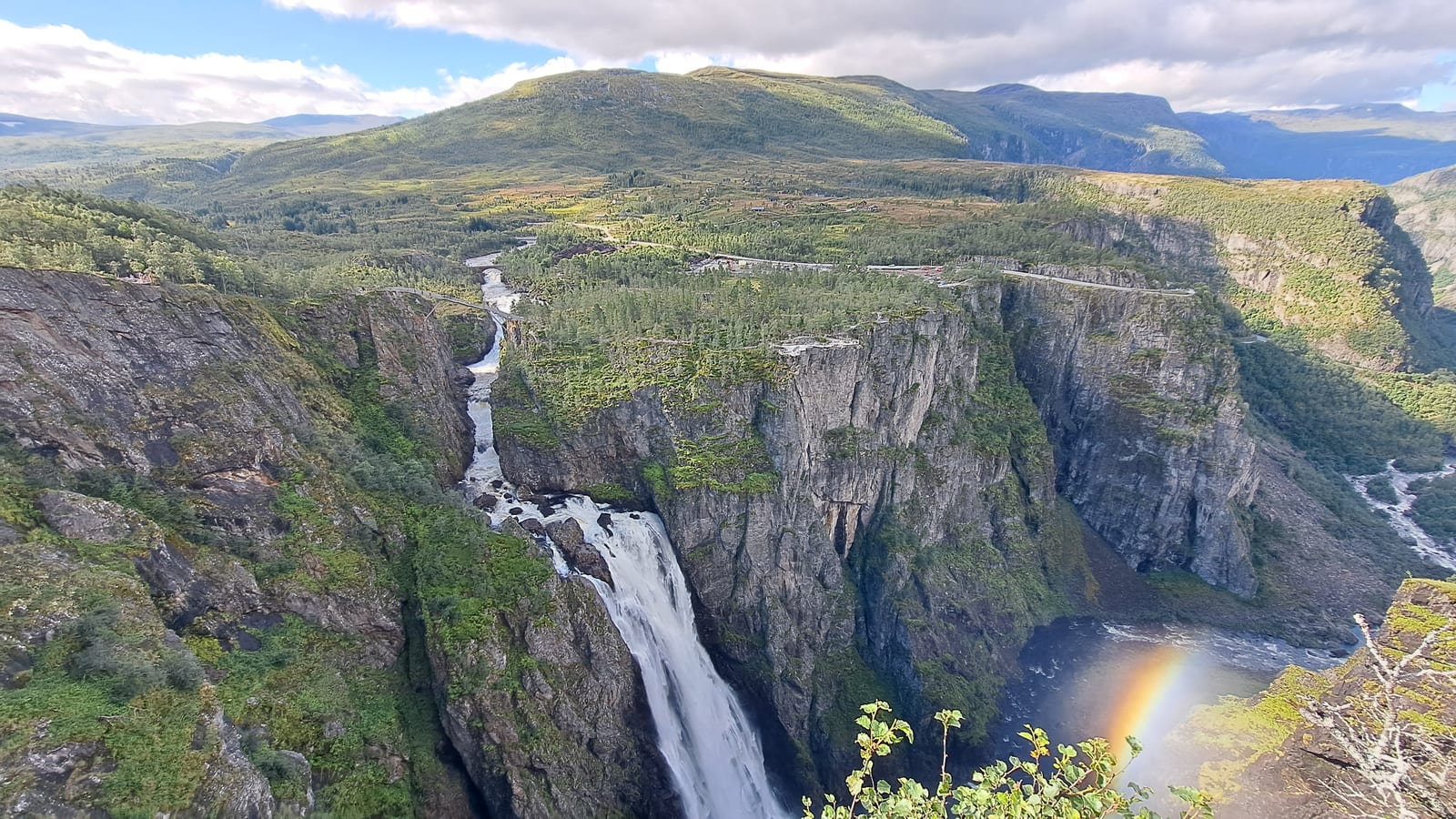
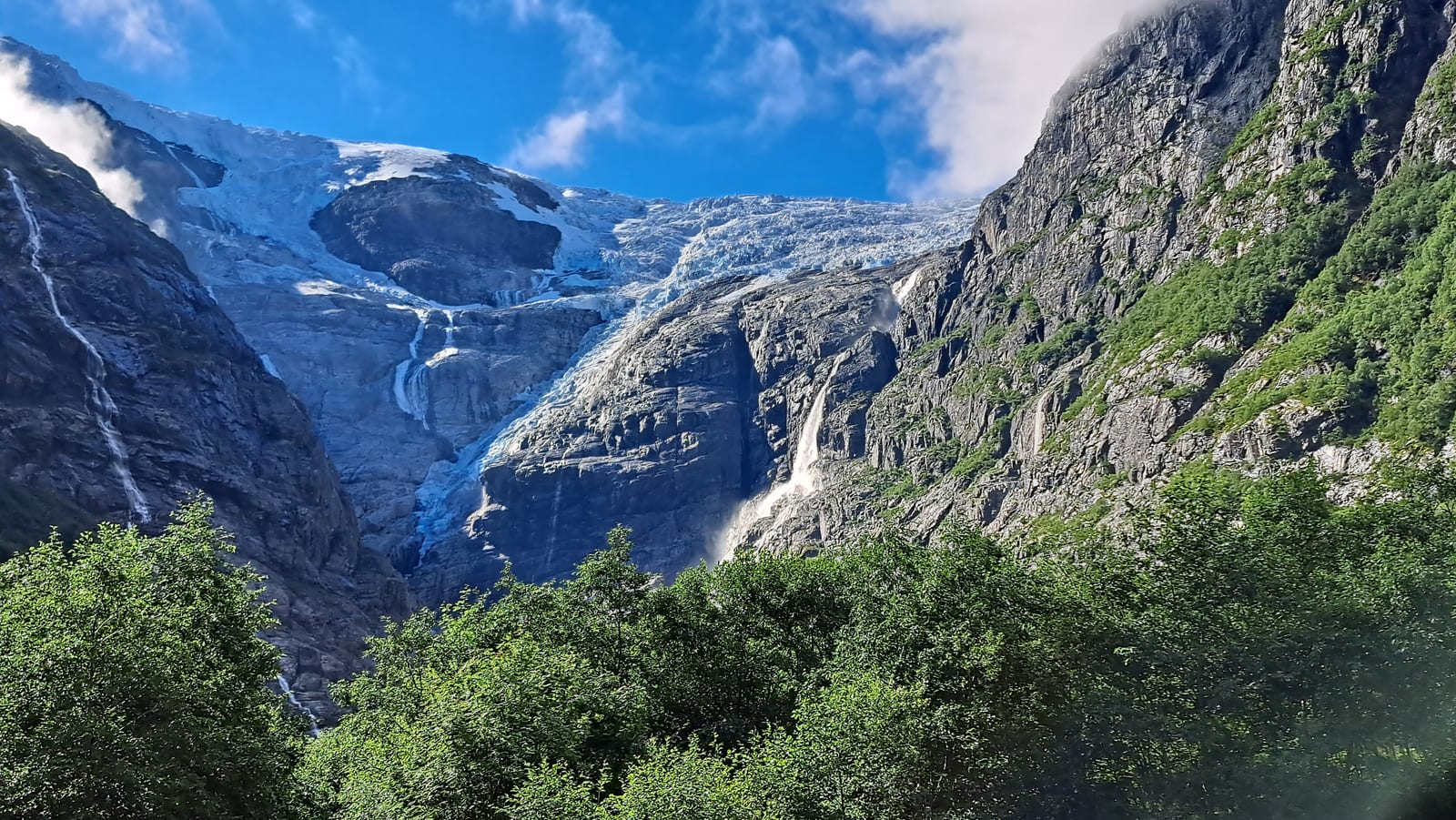
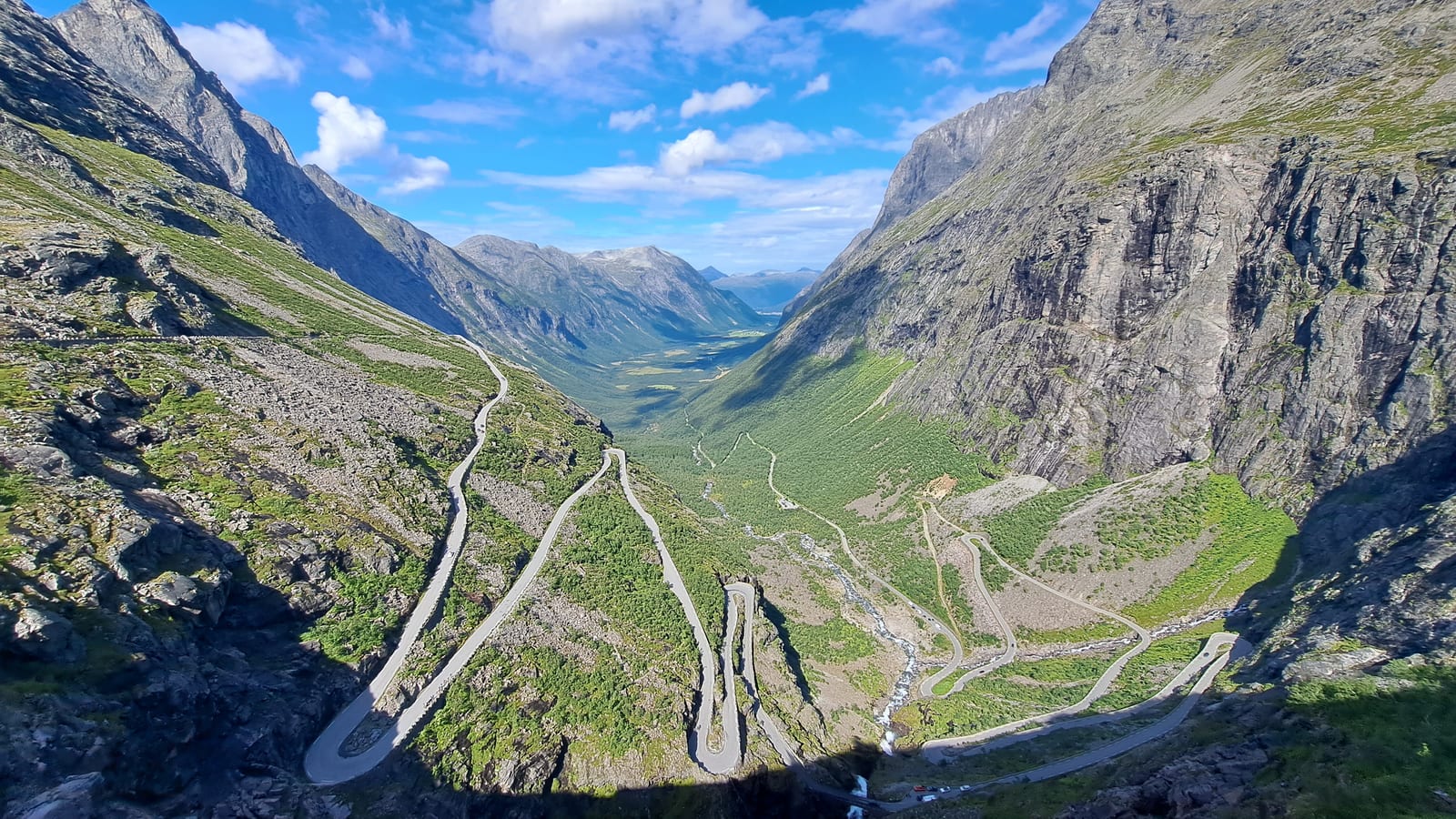
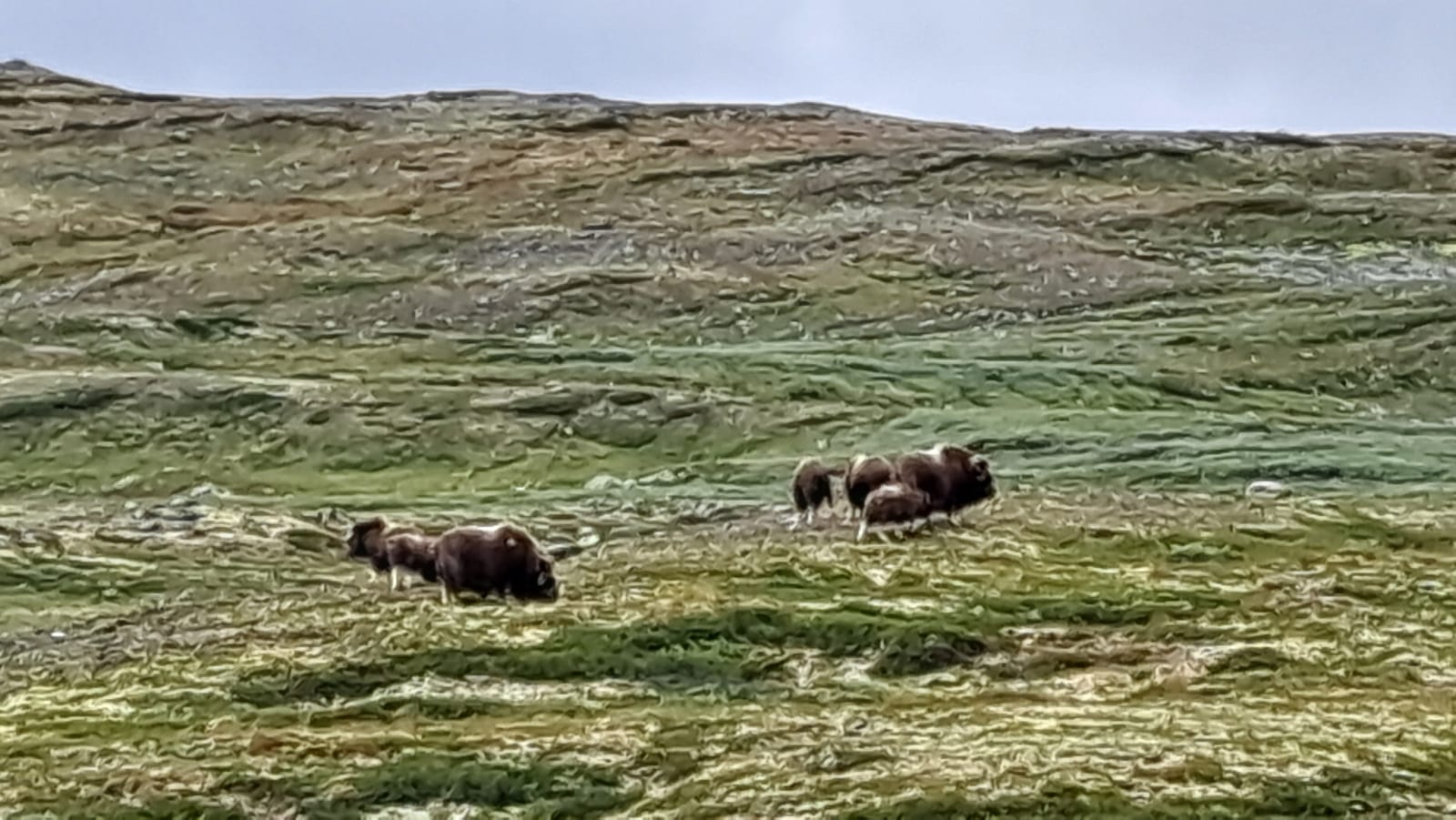
Just outside the major towns, central Norway is nature in its purest form. You feel like you're in the mountains even at elevations close to sea level, which is perhaps why city travelers find it so astonishing; to eyes accustomed to alpine landscapes, the impact is perhaps a little less striking. Spectacular sights are still not in short supply: magnificent waterfalls plunging into the fjords, glacier tongues you can literally touch on a simple walk. But the greatest thrill came from the tundra of the inland plateaus: walking among the lichens, and going on walking safaris to spot muskoxen, animals that can be seen in only a handful of other places on Earth.
10 Portugal, Serra da Estrela ↑
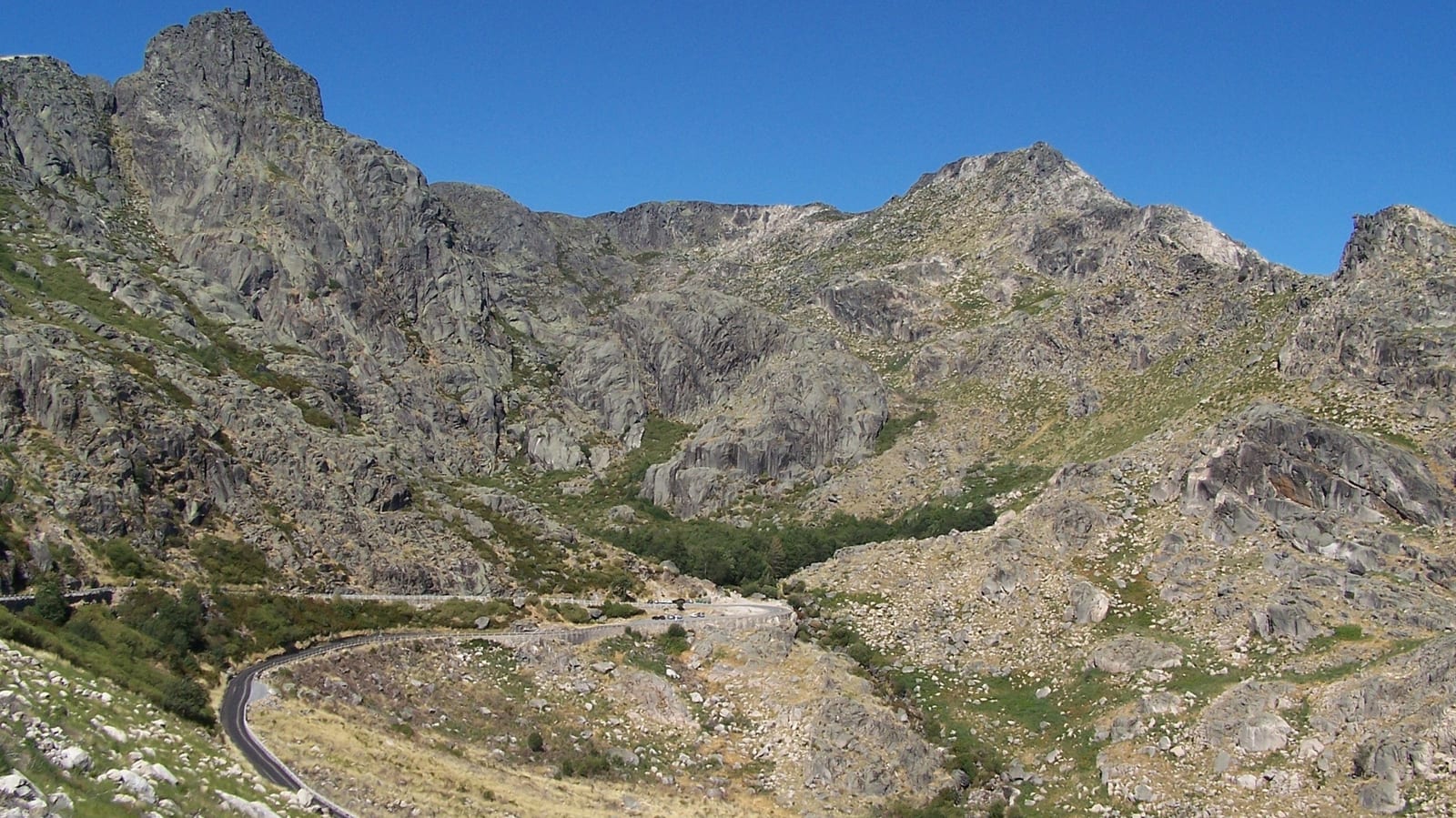
Another chapter in my series of mountains you would not expect, and a considerable one at that. If you say Serra da Estrela, few people would probably be able to place it on a map: we certainly could not, when we started planning our trip to Portugal. It turned out to be a happy variation on the theme, more for its human dimension than for anything strictly related to hiking. It felt like a mountain range from another era, more frequented by day-trippers than by hikers: bare, sun-scorched mountains, with a rural style of hospitality and a well organized, but not overcrowded, network of trails.